To achieve optimal results in mortar application, understanding how to adjust the air pressure on a mortar sprayer is crucial. Industry data shows that inappropriate air pressure can lead to poor material distribution and increased waste. As stated by the American Concrete Institute, incorrect pressure settings can affect spray patterns, causing issues like overspray or insufficient coverage. In fact, using the correct air pressure can improve efficiency by up to 30%, providing a significant advantage in project timelines.
Mortar sprayers require precise adjustments for different materials and applications. Reportedly, 70% of contractors face challenges with air pressure settings, impacting overall performance. This highlights the importance of training and expertise in handling such equipment. Professionals should frequently evaluate their pressure settings, which may require reflection and adjustment based on specific project conditions. Understanding these dynamics not only enhances quality but also ensures safety and efficiency on-site.
In conclusion, mastering how to adjust the air pressure on a mortar sprayer can transform application results. With proper technique, one can maximize resource use and improve work outcomes.
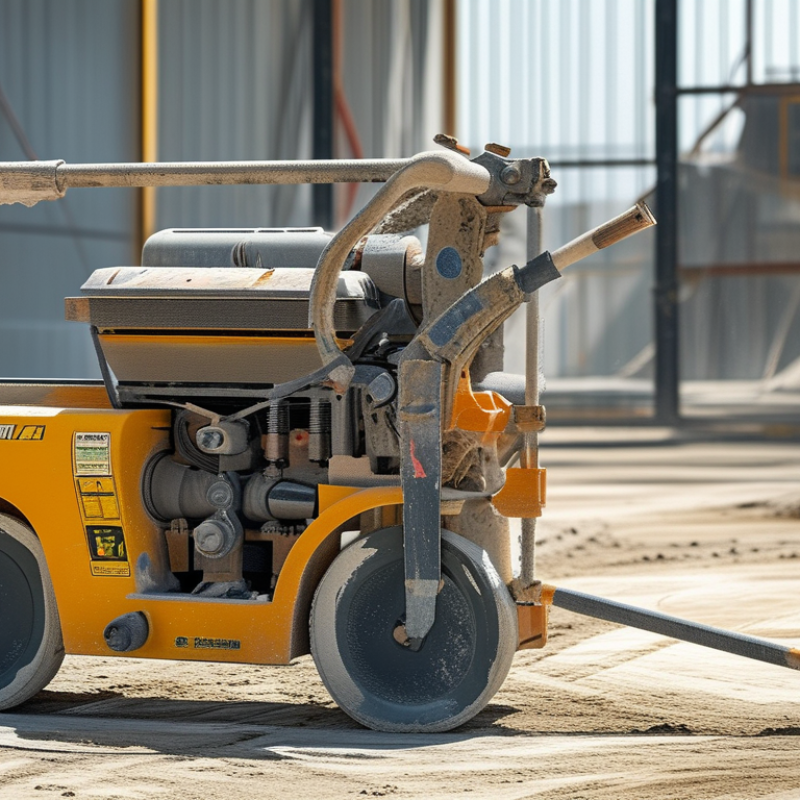
Understanding Mortar Sprayer Components and Their Impact on Air Pressure
When adjusting air pressure on a mortar sprayer, understanding its components is crucial. The
air compressor is responsible for generating the pressure needed to apply the mortar effectively.
The regulator controls this pressure, ensuring it is neither too high nor too low.
If the pressure is too high, it can cause the mortar to overshoot, leading to uneven application.
Conversely, low pressure leads to poor spray coverage, resulting in clogs and inefficiencies.
The nozzle type also plays a significant role. Different nozzles require specific air pressure for
optimal performance. A wrong combination can lead to mishaps that waste materials and time.
Inspecting the hose for leaks is essential, as leaks can significantly impact air pressure and efficiency.
Also, be aware of the mortar consistency. If it is too thick, it may not spray correctly, even with optimal air pressure.
Regular calibration is needed to maintain efficiency.
Wear and tear on components may lead to fluctuating pressures. It’s vital to check for these issues routinely.
This practice ensures you get the most out of your equipment.
The right balance of air pressure can make a substantial difference in your project’s outcome.
Optimal Air Pressure Settings for Different Mortar Types and Applications
When working with mortar sprayers, understanding the optimal air pressure settings for different mortar types is crucial. For standard cement-based mortars, a pressure of 30-40 psi typically yields the best results. This range helps achieve a smooth application while ensuring good adhesion to surfaces. However, if you're using lightweight or polymer-modified mortars, consider raising the pressure to around 50 psi. This adjustment compensates for the lower density and helps maintain consistency in the sprayed material.
Different applications may also require variations in pressure settings. For fine detail work, a lower pressure setting allows for greater control. Conversely, when covering large surfaces, a higher pressure can improve efficiency. It's essential to experiment and find what works best in specific situations. Some sprayers may sputter or deliver uneven texture if the pressure is too low. Conversely, excessive pressure can lead to overspray and waste.
Keep track of settings used in various projects. Take notes on how different pressures affect your work. This practice fosters better adjustments in the future. Reflecting on previous experiences can guide you toward mastery. Finding the balance in air pressure often comes down to practice and adaptation to materials and environments.
Step-by-Step Guide to Adjusting Air Pressure on a Mortar Sprayer
Adjusting the air pressure on a mortar sprayer is vital for optimal performance. Begin by checking your compressor settings. Ensure they align with the recommended range for your specific sprayer model. This prevents excessive pressure, which can lead to uneven application. Too low pressure, however, may result in poor adhesion and finish quality.
Next, test the sprayer on a sample surface. Observe how the mortar flows. Ideally, it should spray evenly without spitting or dribbling. If the spray pattern is inconsistent, slight adjustments may be necessary. Consider minor changes to the air pressure and re-test. This iterative process is crucial. It's common to overshoot or undershoot the ideal pressure. Regular practice and observation will improve your ability to gauge the right settings.
Remember that each job can be different. Environmental factors, such as humidity and temperature, influence how the material behaves. Keeping a notebook could be beneficial. Log your adjustments and outcomes for future reference. Reflecting on these notes may help identify patterns in your adjustments. This awareness can lead to more efficient work in the long run.
Common Issues Caused by Incorrect Air Pressure in Mortar Spraying
Incorrect air pressure in mortar spraying can lead to various issues. One common problem is inconsistent texture on the surface. This inconsistency can result from either too high or too low pressure. High pressure may cause a rough finish, while low pressure could lead to sagging or uneven application.
Another significant issue is material waste. If the air pressure is not set correctly, the sprayer might overshoot or cloud the area. This not only wastes the mortar but also increases cleanup time. Proper calibration is essential for efficient use.
It’s crucial to monitor air pressure closely. A lack of attention may lead to frequent adjustments during the spraying process. Simplifying the setup can help, but it's not always easy. Relying on experience plays a key role in achieving the right balance.
How to Adjust Air Pressure on a Mortar Sprayer Effectively? - Common Issues Caused by Incorrect Air Pressure in Mortar Spraying
| Issue |
Description |
Recommended Air Pressure (Psi) |
Symptoms |
| Low Pressure |
Insufficient pressure results in poor material flow and inadequate coverage. |
30-40 Psi |
Splotchy application, material clogs. |
| High Pressure |
Excessive pressure can cause overspray and a rough finish. |
50-70 Psi |
Uneven texture, excessive wastage of material. |
| Air Leaks |
Damaged hoses or connectors causing pressure loss. |
Varies by system |
Inconsistent spray pattern, fluctuating pressure readings. |
| Moisture in Air Supply |
Water in the air lines can lead to blockages and poor spray quality. |
40-50 Psi |
Droplets in spray, irregular coverage. |
Best Practices for Maintaining Consistent Air Pressure in Mortar Sprayers
Maintaining consistent air pressure in mortar sprayers is essential for achieving optimal results. The right air pressure ensures that the mortar is properly mixed and applied evenly. A common challenge is inconsistency, which can lead to uneven application and poor bonding. Keeping the pressure steady helps maintain the right flow and consistency of the mortar.
One effective way to manage air pressure is regular monitoring. Use a reliable gauge to check pressure levels frequently. Adjustments should be made based on the type of mortar and the specific requirements of the job. Even small variations in pressure can significantly affect the results. Additionally, it's crucial to inspect hoses and connections regularly for leaks. A small leak can lead to significant drops in pressure, affecting performance.
It's also important to take the environment into account. Humidity and temperature can impact mortar consistency and drying time. Sometimes, despite best efforts, achieving a perfect pressure can be elusive. Learning from past applications and noting down what works or doesn’t can help in future projects. Adjusting techniques based on experience can lead to better outcomes over time.
Conclusion
In the article "How to Adjust Air Pressure on a Mortar Sprayer Effectively?", key insights are provided on understanding the components of mortar sprayers and their influence on air pressure. It emphasizes the importance of optimal air pressure settings tailored to various mortar types and specific applications, guiding readers through a step-by-step process on how to adjust the air pressure on a mortar sprayer accurately.
Additionally, the article addresses common issues that arise from incorrect air pressure settings, which can impact the quality of the application. Best practices are also shared for maintaining consistent air pressure, ensuring efficiency and performance in mortar spraying tasks. Overall, this guide serves as a comprehensive resource for both novice and experienced users to enhance their spraying techniques and outcomes.

 SSG Machinery