Operating a shotcrete machine can be challenging yet rewarding. Knowing how to operate a shotcrete machine safely is essential. This knowledge not only ensures worker safety but also enhances project outcomes. The proper technique contributes to a more efficient workflow and minimizes the risk of accidents.
Safety begins with understanding the equipment. Ensure all operators are trained and familiar with machine controls. This familiarity can reduce mistakes caused by hesitation or confusion. Regular inspections of the equipment are crucial. Wear and tear can lead to malfunctions. Neglecting these checks may result in severe incidents.
In addition, always prioritize personal protective equipment (PPE). Wearing helmets, goggles, and gloves is non-negotiable. Even minor oversights can lead to injuries or accidents. It’s essential to foster a culture that encourages reporting unsafe conditions or behaviors. Reflecting on past experiences can offer valuable lessons to prevent future errors and improve overall safety practices.
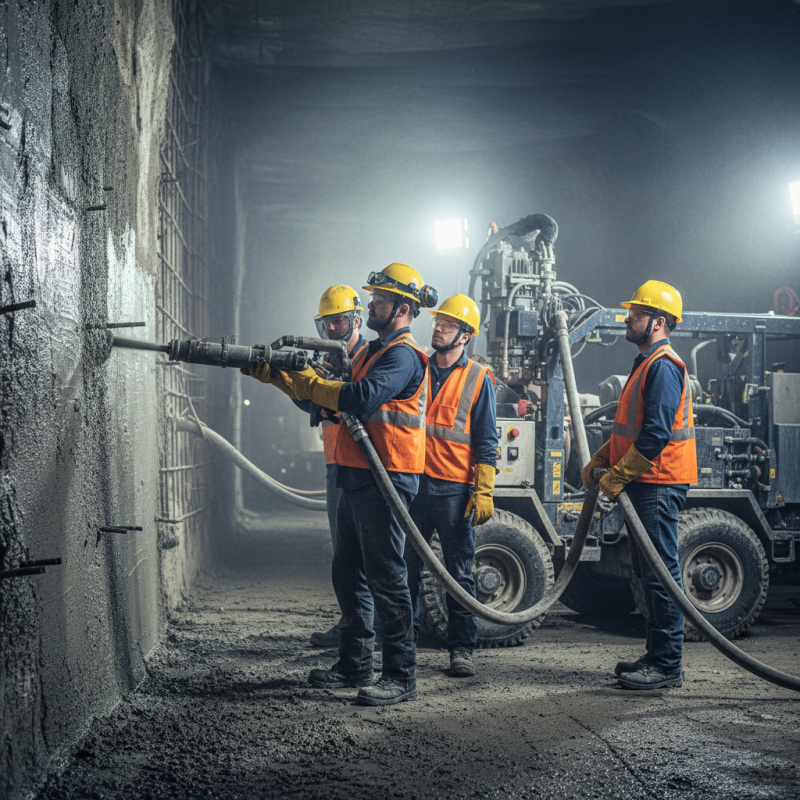
Preparing a shotcrete machine for operation requires careful attention to detail. Start by inspecting the equipment thoroughly. Check for any visible wear or damage. Ensure all components are functioning correctly, including hoses and nozzles. Regular maintenance is crucial. Skipping routine checks can lead to unexpected downtime or accidents.
Next, familiarize yourself with the specific shotcrete mix being used. Different materials may require unique settings or adjustments on the machine. Understanding the properties of the mix helps in achieving optimal application. Observe the surroundings where the operation will take place. Look for overhead hazards or uneven surfaces that might pose risks.
Finally, always prioritize safety measures. Personal protective equipment is essential. Workers should wear appropriate gear to minimize exposure to dust and debris. Review operational procedures with the team before beginning work. Encourage an open dialogue about potential issues during the job. Having a solid plan can mitigate risks significantly.
| Tip Number | Tip Description | Importance Level | Frequency of Review |
|---|---|---|---|
| 1 | Conduct a pre-operation safety check of the machine. | High | Daily |
| 2 | Ensure proper personal protective equipment (PPE) is worn. | High | Per Operation |
| 3 | Verify that all control systems are operational. | Medium | Daily |
| 4 | Use caution signs around the work area to ensure safety. | High | Per Operation |
| 5 | Train operators on safe shotcrete operation practices. | Very High | Annual |
| 6 | Regularly maintain equipment to prevent malfunctions. | High | Monthly |
| 7 | Monitor environment conditions before starting work. | Medium | Daily |
: The optimal water-cement ratio ranges from 0.38 to 0.45. Maintaining this ratio is essential for strength.
A clean, rough surface improves adhesion. Contaminants like dust can weaken the bond. This step can be easily overlooked.
Equipment should be inspected weekly. Regular checks on hoses and nozzles help identify wear and prevent accidents.
Common hazards include equipment malfunction and flying debris. Respiratory problems can also arise if proper ventilation isn’t provided.
Well-trained operators minimize risks. About 30% of accidents come from operator error, making training crucial for safety.
Following a maintenance checklist is vital. Regular inspections can catch small problems before they become significant issues.
Fatigued operators are prone to errors. Implementing breaks during shifts can help maintain alertness and safety.
Providing masks or respirators can reduce inhalation of harmful dust. Ensuring proper ventilation is also essential for health safety.
The comprehensive guide on "2026 Best Tips for Safe Shotcrete Machine Operation" outlines critical best practices for operating shotcrete machines safely. It emphasizes the importance of preparing the equipment adequately before use, which includes checking for any issues and ensuring all components are functioning correctly. Safety gear, such as helmets, goggles, and respirators, is essential for operators to protect against potential hazards during the application process.
Furthermore, the article provides a step-by-step guide to mastering proper shotcrete application techniques, ensuring efficiency and safety during operation. Regular maintenance and a thorough checklist are also highlighted to keep the machines in optimal condition. By understanding common hazards and implementing effective mitigation strategies, operators can significantly reduce risks, making them well-equipped to learn how to operate a shotcrete machine safely.

 SSG Machinery