In the construction and repair industries, choosing the right equipment can make a significant difference. When it comes to water plugging, many experts recommend a dual liquid grouting machine. John Smith, a recognized authority in waterproofing solutions, states, “Utilizing a dual liquid grouting machine ensures effective sealing, reducing both time and material waste.”
Why use a dual liquid grouting machine for water plugging? This technology allows for simultaneous mixing and application of grout, improving efficiency. The dual system provides versatility, enabling contractors to tackle various challenges. It achieves stronger bonds and more reliable sealing compared to traditional methods.
However, challenges exist. Improper use can lead to wasted resources or inadequate sealing. Proper training and experience are crucial for maximizing the machine's potential. As industries evolve, staying updated on best practices becomes essential for success. A dual liquid grouting machine, when used effectively, can vastly improve water plugging outcomes.
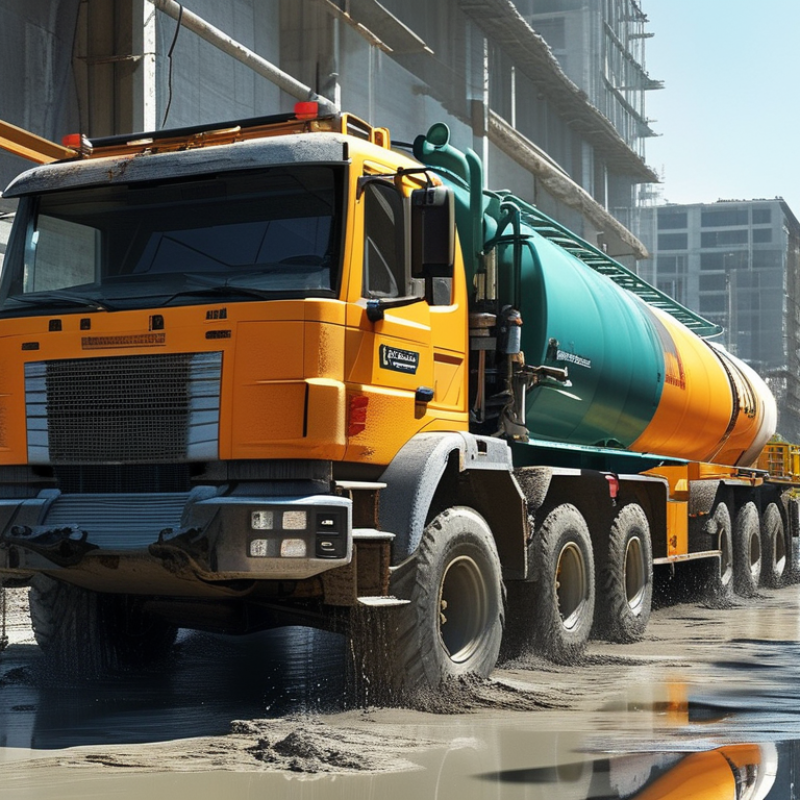
Dual liquid grouting machines are increasingly popular in the field of water plugging. Their advantages are numerous and backed by various industry reports. According to a recent study, the efficiency of dual liquid systems can improve sealing effectiveness by up to 35%. This is largely due to the optimized mixing of two components, which creates a more stable and durable seal.
One notable feature of dual liquid grouting machines is their versatility. They can be used in various settings, from construction sites to repair work in critical infrastructure. The precision in mixing ratios can lead to quicker curing times. A report by the International Society for Soil Mechanics highlights that accurate material application reduces the need for frequent repairs by up to 50%. This efficiency not only saves time but also minimizes long-term costs.
However, there are considerations to keep in mind. The complexity of operation can lead to inconsistent results if not managed properly. Workers must be trained adequately to operate these machines. Inadequate training could result in improper mixing or application, reducing the effectiveness of the grouting process. While dual liquid grouting machines present many benefits, attention to operational detail is essential for optimal performance.
| Feature | Advantages | Application |
|---|---|---|
| Dual Liquid System | Improves mixing efficiency and reduces curing time. | Used in construction and repair of water structures. |
| Controlled Dispensing | Ensures accurate volume control, minimizing waste. | Ideal for precise applications in leakage repairs. |
| Versatile Applications | Can be used for various materials (cement, epoxy, etc.). | Suitable for diverse environments and conditions. |
| Increased Safety | Reduced handling of hazardous materials during mixing. | Enhances worker safety on site. |
| Higher Pressure Capability | Allows for effective sealing in challenging conditions. | Useful for projects under high hydraulic pressure. |
| Reduced Downtime | Faster setup and operation leads to shorter project timelines. | Beneficial for urgent repair works. |
: It uses two-component solutions that react when mixed. This creates strong waterproof seals for construction projects.
It offers rapid setting times, adaptability to various substrates, and creates reliable barriers for water control.
Operators must ensure proper mixing ratios. Environmental factors can also influence curing times and grout durability.
Dual liquid grouting is faster and more precise. Traditional methods are often time-consuming and labor-intensive.
Consider machine capacity, durability, ease of operation, and long-term service costs. Each factor impacts overall efficiency.
Consistency affects the quality of the seal. Adjustments may be necessary during application for optimal results.
Regular maintenance ensures reliability. Delays can occur if machines are not kept in good condition.
Well-trained operators make fewer mistakes. Invest in training for better outcomes on-site.
Extreme temperatures can alter set times and durability. Monitoring conditions is crucial for effective sealing.
Assess project needs carefully. A hasty decision can lead to operational headaches later in the project.
When considering why use a dual liquid grouting machine for water plugging, several advantages come to light. These machines leverage advanced dual liquid grouting technology, providing a more effective sealing solution compared to traditional methods. The mechanism operates by combining two reactive components that form a robust seal, ensuring superior performance in preventing water ingress. Their adaptability also makes them suitable for various applications in construction and repair, from sealing leaks in tunnels to stabilizing soil in foundations.
Additionally, when comparing dual liquid grouting machines with traditional grouting techniques, it becomes clear that the former offers greater efficiency, improved bonding, and faster curing times. However, it is essential to consider factors such as the specific requirements of the project, material compatibility, and operational costs when choosing the right equipment. Overall, the enhanced capabilities of dual liquid grouting machines make them an indispensable tool for effective water control in diverse applications.

 SSG Machinery