How to Choose the Right Injection Pump for Foundation Repair?

Time:2026-06-16 Author:Ethan
0%

When it comes to foundation repair, selecting the right injection pump is crucial. Renowned industry expert John Smith states, “The success of your foundation repair hinges on the pump you choose.” Understanding how to choose the right injection pump for foundation repair can save both time and money.

An injection pump’s design and capabilities impact its effectiveness. Factors like pressure, volume, and type of material used are essential. An appropriate pump ensures a more effective injection of materials into cracks and voids. Think about the type of foundation issues you're facing.

Choosing the wrong pump can lead to complications. Underperformance or inadequate repair might result. Therefore, it's vital to assess your specific needs. Invest time in research or consult professionals. The right guidance can lead you to a successful repair solution.
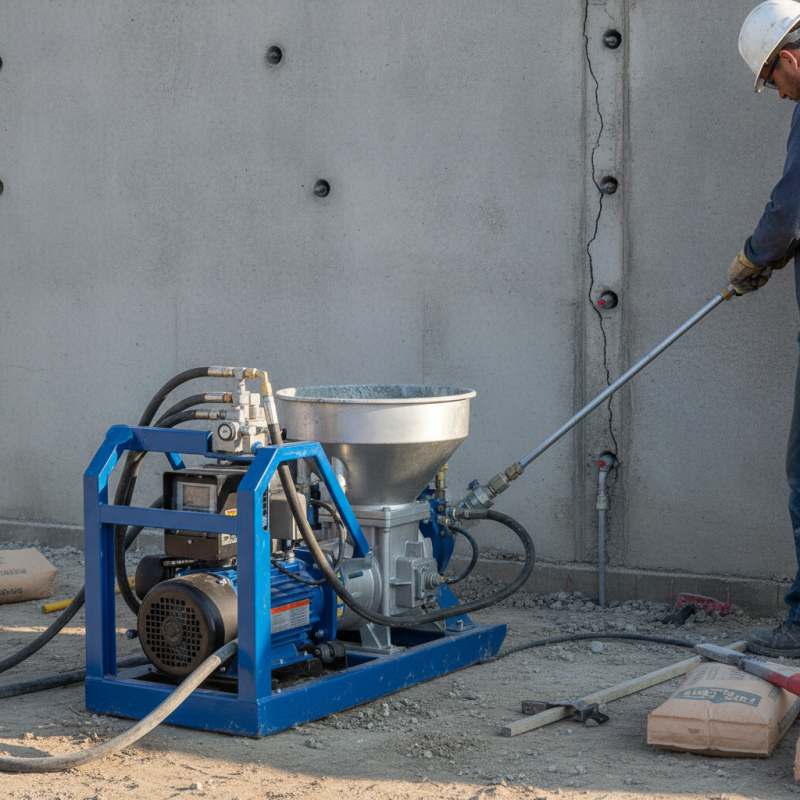
How to Choose the Right Injection Pump for Foundation Repair?

Understanding the Role of Injection Pumps in Foundation Repair

Injection pumps play a pivotal role in foundation repair by stabilizing soil and providing support to structures. These pumps deliver critical materials, like polyurethane or epoxy, directly into voids or cracks in the foundation. According to industry reports, proper injection can reduce settlement issues by up to 70%. This highlights the importance of selecting the appropriate pump for effective repairs.

When choosing an injection pump, consider its capacity and pressure range. Different foundation types might require specific pressures for optimal results. For instance, lower pressure settings work well for delicate structures, preventing further damage. Conversely, high-pressure pumps are essential for larger voids. It's wise to consult with professionals who can assess your unique situation.

Tip: Always verify the pump's specifications against your project requirements. Remember, using the wrong equipment can lead to ineffective repairs.

Search for pumps equipped with innovative technology that allows for precision and control. This ensures the material is injected evenly, avoiding complications like material over-expansion. Even with advanced tools, not all repairs may meet expectations. Continuous learning from each project is vital for improving practices. Ask for feedback from seasoned contractors to refine your choices.

Types of Injection Pumps and Their Applications for Foundation Repair

Choosing an injection pump for foundation repair can be challenging. Various types exist, and each serves a specific purpose. The most common types include diaphragm pumps, piston pumps, and screw pumps. Diaphragm pumps are often used for polyurethane injections. They are ideal for low-pressure applications. This type provides precise control over material flow. However, they may not handle thicker materials well.

Piston pumps are more powerful. They can inject a wide range of materials under high pressure. This makes them suitable for larger cracks or voids. However, they may require more maintenance. Screw pumps, on the other hand, offer versatility. They handle both low and high viscosities. Their design ensures smooth material flow, which is essential for effective foundation repair. Each type has its strengths and limitations.

When selecting an injection pump, consider the specific repair needs. Assess the types of materials used in your project. Understand the existing foundation conditions. It’s vital to match the pump with the job requirements. Many professionals suggest consulting a structural engineer for guidance. This can help ensure a successful repair process. Remember, take your time to analyze each option carefully.

Key Factors to Consider When Selecting an Injection Pump

Choosing the right injection pump for foundation repair can feel overwhelming. Many factors play a significant role in this decision. First, consider the type of material you plan to inject. Different pumps suit various materials, like polyurethane or epoxy. An appropriate pump ensures a strong and lasting repair.

Another crucial element is the pump's flow rate. Understanding how much material the pump can deliver at once is vital. A higher flow rate means faster application but may not always be better. Too fast might lead to air pockets. Balancing speed with thoroughness is essential.

Cost efficiency is also a driving factor. Selecting a pump based solely on price can backfire. Cheaper options may lack durability or performance. This dilemma requires careful consideration of initial cost versus long-term reliability. Make sure to evaluate the expected return on investment. Each decision can profoundly impact the project’s success.

Injection Pump Selection Factors for Foundation Repair

This chart illustrates the key factors to consider when selecting the right injection pump for foundation repair, showcasing optimal values for pump capacity, pressure range, power source, weight, and size.

Evaluating Pump Specifications for Optimal Performance

When selecting an injection pump for foundation repair, understanding pump specifications is crucial. Focus on the pump's pressure capacity. A reliable pump should handle the pressure needed for various soil types and conditions. Optimal performance often depends on precise pressure control. Verify the manufacturer's specifications to ensure they align with your repair needs.

Next, consider the pump's flow rate. It's important to match this rate with the volume of material you intend to inject. A pump that is too slow can hinder project timelines. Conversely, a pump that is excessively fast may lead to uneven distribution. Always review historical data or seek expert advice to gauge what works best in different scenarios.

Another vital specification is the material compatibility of the pump. Different injection materials require different pump materials. Inspecting seals and hoses for chemical resistance is essential. Issues here can lead to inefficiencies and costly repairs. Sometimes, professionals overlook compatibility, resulting in setbacks. Asking the right questions can help prevent these mistakes and guide you to the correct choice.

Maintenance and Support for Injection Pumps in Foundation Repairs

When selecting an injection pump for foundation repairs, maintenance and support are critical factors. Proper maintenance extends the life of pumps and enhances performance. According to industry reports, pumps maintained with regular inspections last up to 30% longer than those neglected. Investing in a reliable maintenance program can pay off significantly.

Support from knowledgeable professionals is essential. Trained technicians can identify potential issues early. They can provide guidance on optimal usage and troubleshooting tips. Reports indicate that 20% of pump failures result from operator error. Proper training and support could mitigate these risks.

While choosing an injection pump, consider the availability of maintenance services. Not all repair companies offer equal support. Lack of reliable support can lead to costly downtime. Some contractors report struggling with maintenance schedules, leading to equipment malfunctions. Prioritizing pumps with strong support systems can safeguard your investment in the long run.

FAQS

: What role do injection pumps play in foundation repair?

: Injection pumps stabilize soil and support structures by delivering materials into voids or cracks in foundations.

How much can proper injection reduce settlement issues?

Proper injection can reduce settlement problems by up to 70%, highlighting its importance in repairs.

What factors should I consider when choosing an injection pump?

Consider the pump's capacity, pressure range, and specific needs of your foundation for optimal results.

What type of pump is best for delicate structures?

Low-pressure diaphragm pumps are ideal for delicate structures, preventing further damage during repairs.

How can I ensure the effectiveness of an injection pump?

Always verify pump specifications against project needs. Using the wrong equipment results in ineffective repairs.

What maintenance practices can extend the life of an injection pump?

Regular inspections and a reliable maintenance program can help extend pump life by up to 30%.

Why is professional support important when using injection pumps?

Knowledgeable technicians can identify issues early and provide essential guidance to prevent operator errors.

What challenges might I face with pump maintenance?

Some contractors struggle with maintenance schedules, leading to potential malfunctions and costly downtime.

Are there different types of injection pumps?

Yes, there are diaphragm, piston, and screw pumps, each serving distinct purposes in foundation repair.

What should I do if repairs do not meet expectations?

Continuous learning from each project and seeking feedback from experienced contractors can improve your repair practices.

Conclusion

Choosing the right injection pump for foundation repair is crucial to ensure effective and lasting solutions for structural issues. Understanding the role of injection pumps, which are essential for stabilizing and reinforcing foundations, lays the groundwork for making an informed decision. Different types of injection pumps have varying applications; thus, it is vital to assess the specific needs of your foundation repair project.

When selecting an injection pump, several key factors must be considered, including the type of material being injected, the pump's specifications, and the expected performance levels to achieve optimal results. Proper maintenance and support for these pumps are also essential to prolong their lifespan and ensure consistent operation. Therefore, knowing how to choose the right injection pump for foundation repair involves careful evaluation of these components to facilitate a successful repair process.

Ethan

Ethan

Ethan is a seasoned marketing professional with a deep expertise in our company's innovative product line. With a passion for sharing knowledge and insights, he takes the lead in regularly updating our corporate blog, where he explores industry trends, product features, and effective marketing......