High pressure grouting pumps play a critical role in construction and ground stabilization projects. The performance of these pumps raises an essential question: how deep can a high pressure grouting pump reach? According to a report from the International Society for Soil Mechanics and Geotechnical Engineering, some advanced models can achieve depths of over 200 meters. However, reaching such depths involves complexities that require expertise in both equipment and geological conditions.
Dr. Emily Thornton, a noted expert in geotechnical engineering, emphasizes, "The true capabilities of a high pressure grouting pump are determined by the specific conditions of each project." This statement reflects the importance of site-specific evaluations when estimating depths. The pressure, viscosity of the grout, and geological formations all influence the pump's operational limits.
While many assume that deeper is always better, practicality often suggests otherwise. Challenges such as fluctuations in soil composition and pump efficiency must be carefully evaluated. As we explore the depths achievable by high pressure grouting pumps, it's vital to consider not only the maximum reach but also the implications of pressure management and material properties in diverse environments.
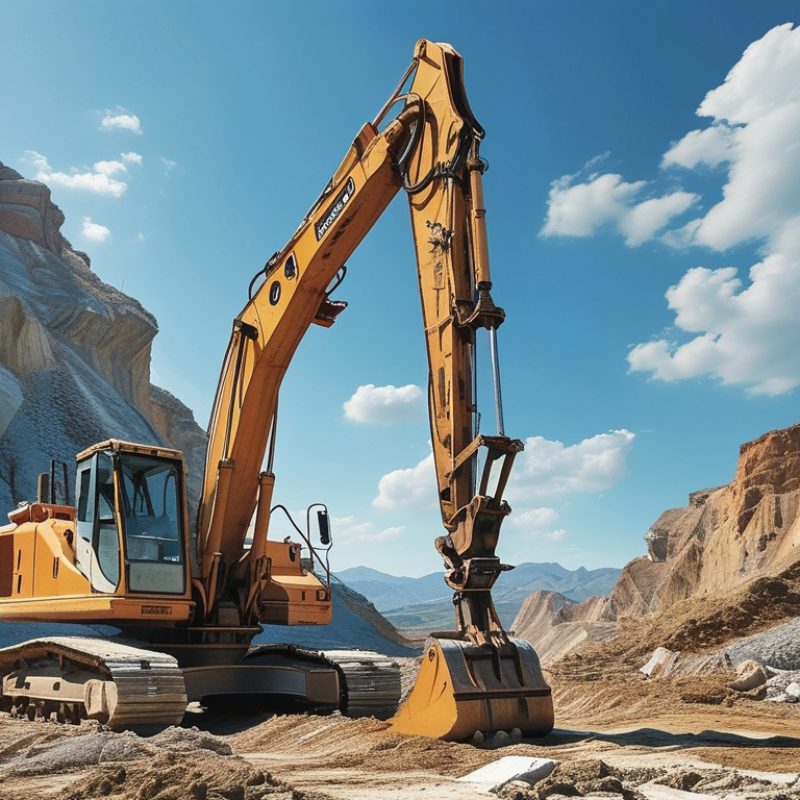
High pressure grouting pumps play a crucial role in construction and civil engineering. These devices inject grout under high pressure into soil or structures. They improve stability, reduce water influx, and fill voids effectively. Understanding how they function is essential for maximizing their benefits.
The pump operates by forcing a mixture of cement and water through a delivery line. The pressure levels can exceed thousands of psi, allowing grout to penetrate deep into materials. This capability is vital for stabilizing foundations or repairing infrastructure. However, a challenge lies in accurately assessing the right pressure for the task. Too much pressure may lead to unintended damage.
Training and expert knowledge are vital for operators. Proper techniques ensure precise injection and minimize risks. Flawed operations may produce less effective results and could compromise safety. Continuous learning and experience can help enhance the reliability of these pumps. Implementing a feedback loop after each project allows for adjustments and improvements. This reflective approach fosters better practices in the field.
When considering how deep a high-pressure grouting pump can reach, several key factors come into play. The type of pump used greatly influences performance. For example, electric pumps typically provide higher pressure outputs compared to pneumatic units, allowing deeper penetration. Research shows that pumps operating at pressures exceeding 5000 psi can effectively grout up to 100 feet, depending on conditions.
Another critical aspect is the viscosity of the grout material itself. Thicker grouts may not travel as far, limiting the effective depth. Data from industry reports indicate that a typical cementitious grout can achieve depths of 50-70 feet, while polyurethane grouts may reach farther due to their lower viscosity. The geology of the site can also affect outcomes. Compacted soils or rocky terrains present significant resistance, necessitating more power and potentially reducing the depth achievable.
Lastly, the skill and experience of the operator cannot be overlooked. Inadequate training might lead to ineffective pumping strategies, limiting depth reached. Not every contractor utilizes the same techniques or equipment. Imprecise methods can result in less optimal outcomes, leading to this reflection: are we maximizing our grouting potential? Experience suggests that attention to detail and adaptability play crucial roles in achieving desired results.
| Factor | Description | Typical Depth Reach (meters) | Impact on Performance |
|---|---|---|---|
| Pump Type | Different designs (single piston vs dual piston) influence maximum depth. | 30 - 100 | Higher efficiency and depth in dual piston types. |
| Grout Material | Viscosity and density of the material can affect how far it can be pumped. | 20 - 80 | High viscosity materials may lower reach. |
| Pressure Settings | Optimal pressure settings allow for deeper grouting. | 15 - 70 | Improper settings can reduce depth. |
| Soil Conditions | Type of soil (sand, clay, rock) affects resistance to penetration. | 10 - 60 | Difficult soil types may hinder depth. |
| Hose Length | Longer hoses can reduce pressure and affect depth. | 5 - 50 | Excessive length results in significant loss of pressure. |
Achieving maximum efficiency in grouting depth requires precise techniques and knowledge. Research shows that high pressure grouting pumps can reach depths of over 200 feet in specific conditions. Understanding soil composition is crucial. For instance, dense clay can impede the flow of grout, thereby reducing effectiveness. While a good pump applies high pressure, operators must monitor the viscosity of the grout to prevent failures. Grout that is too thick may not penetrate deep enough.
Additionally, using proper nozzle sizes can make a significant difference. Industry reports indicate that a well-optimized nozzle can increase penetration by nearly 30%. Moreover, monitoring real-time pressure data helps in adjusting parameters promptly. Many operators overlook this aspect, leading to ineffective results. Regular maintenance of the pump is also vital. A poorly maintained pump may underperform, causing increased costs and time delays.
The timing of the grouting process is another overlooked factor. Environmental conditions such as temperature and humidity affect the curing time of grout. Inconsistent curing can lead to structural weaknesses. Some grouting projects fail because practitioners do not adjust their methods to suit unique project demands. Emphasizing training for operators can address these issues and improve overall success.
When working with high pressure grouting pumps, safety must be the top priority. These pumps operate at extreme pressures, which can pose significant risks if not handled correctly. It is essential to conduct a thorough risk assessment before starting any grouting project. Ensure that all operators are trained and familiar with safety procedures.
Wear appropriate personal protective equipment (PPE). This includes gloves, goggles, and protective clothing. High pressure can cause hazardous materials to spray or leak. Regularly inspect the equipment for any signs of wear or damage. Faulty equipment can lead to accidents. Additionally, always maintain a safe distance from the pump's discharge area during operation.
Keep the work area clear of unnecessary personnel. Only those directly involved should be present. In case of an emergency, know the quickest route to exit the site. Establishing communication protocols can aid in swift action if something goes wrong. Reflect on past experiences to improve safety practices. Continuous learning and adaptation are vital in maintaining a secure working environment.
High pressure grouting is a vital process in construction. It fills voids, stabilizes structures, and improves durability. Common applications include foundation repair, soil stabilization, and remediation of groundwater contamination. Industry reports indicate that the demand for grouting services has increased by over 30% in the past five years. This growth is largely due to aging infrastructure and the need for repair and retrofitting.
One significant application is in foundation repair. High pressure grouting can penetrate deep into the soil, filling gaps and reinforcing structures. Studies show that up to 75% of foundation issues stem from soil erosion. Grouting addresses these issues, yet not all projects benefit equally. Soil composition and moisture levels can affect results. It's crucial to evaluate these factors before proceeding.
Another area of use is in tunneling projects. High pressure grouting provides necessary support to tunnel walls, preventing collapses. Statistics note that more than 50% of tunnel failures relate to inadequate ground support. Therefore, careful planning and execution are essential. Mistakes in assessing ground conditions can lead to costly delays and unsafe situations. Continuous learning and adaptation are key to mastering high pressure grouting techniques.
: The pump type, grout viscosity, site geology, and operator skill significantly impact depth reach.
Electric pumps often reach deeper than pneumatic pumps due to higher pressure outputs.
Thicker grouts travel less distance, limiting effective depth. Thinner grouts can reach further.
Under optimal conditions, some pumps may reach depths over 200 feet, depending on many factors.
Dense clay and rocky terrain can impede grout flow, reducing penetration effectiveness.
Inexperienced operators risk ineffective pumping techniques, impacting the depth reached and project outcomes.
Proper nozzle sizes can enhance penetration by nearly 30%, improving overall efficiency.
Regular maintenance ensures optimal performance; neglecting this can lead to underperformance and increased costs.
Temperature and humidity affect curing times, which can lead to structural weaknesses if not monitored.
Foundation repair, soil stabilization, and tunneling are among key applications, addressing various construction needs.
High pressure grouting pumps are essential tools in construction, designed to inject grout at high pressures for various applications, including stabilization and repair of structures. Understanding how deep can a high pressure grouting pump reach involves exploring the technology behind these pumps, which is influenced by factors such as pump design, grout viscosity, and the geological conditions of the site. Techniques to maximize the pumping depth often focus on optimizing fluid properties and maintaining equipment efficiency.
In addition to maximizing efficiency, safety considerations are paramount when operating these pumps due to the high pressures involved. Common applications include soil stabilization, foundation repair, and waterproofing, all benefiting from the ability of grouting pumps to penetrate significant depths. Ultimately, determining how deep can a high pressure grouting pump reach requires careful evaluation of these factors to ensure effective and safe operations in construction projects.

SSG Machinery