A grout pump motor rarely overheats without warning. The first clue may be a hot-metal smell near the motor housing. You might also notice slower pumping, unusual humming, or a thermal overload trip. If you are asking, “why is the grout pump motor overheating,” begin with simple observations. Check the grout temperature, hose pressure, motor load, and ventilation around the unit. A blocked hose can force the motor to work harder. Thick, partially cured grout can create similar resistance. Even a dirty cooling fan may reduce airflow enough to raise motor temperature.
Small details matter.
In my experience, many overheating problems come from operating conditions rather than one failed component. Compare the pump’s actual pressure with its rated limits. Inspect electrical connections for looseness, discoloration, or damaged insulation. Confirm that the voltage matches the manufacturer’s specifications. Do not keep resetting the overload protection without finding the cause. That habit can hide a developing motor fault. Clean the intake vents carefully, and keep the pump away from direct heat, wet debris, and cramped enclosures. Allow the motor to cool before inspection, and follow the service manual for testing procedures. A qualified technician should evaluate burnt windings, bearing noise, or repeated trips. Field conditions are not always predictable. A pump that ran normally yesterday may struggle today because the grout mixture, ambient temperature, or hose layout changed. This guide explains practical checks and preventive steps for stopping a grout pump motor from overheating safely.
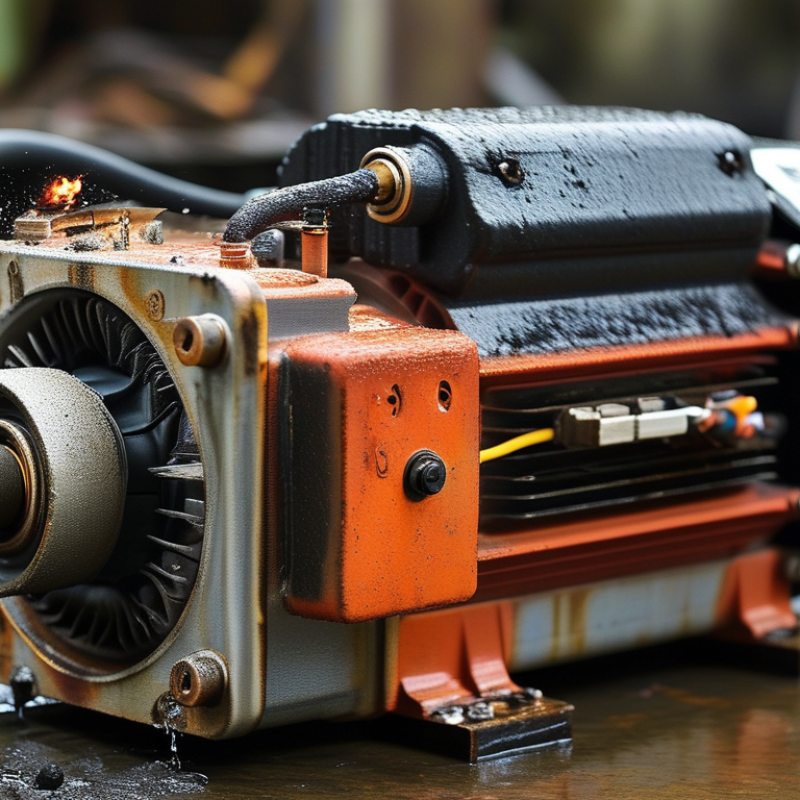
Understand Why a Grout Pump Motor Overheats
A grout pump motor usually overheats because it works harder than the system allows. Thick grout, a blocked hose, or a partly closed valve increases resistance. The motor then draws more current and produces excess heat. Small problems become serious quickly. A failing bearing can also create friction, especially when the pump runs continuously. Listen for grinding, uneven vibration, or a hot metal smell.
Electrical conditions deserve careful attention. Low voltage, loose connections, or an incorrectly sized cable can force the motor to work beyond its normal load. Ambient heat makes cooling harder, particularly when dust covers the ventilation openings. Check the fan, housing, and air passages before blaming the motor itself. In wet or dirty work areas, moisture and debris may also damage insulation or electrical connections.
The grout mixture can be the hidden cause. Too much powder, poor mixing, or material beginning to set inside the line raises pressure sharply. Stop the equipment, isolate the power, and inspect the hose before restarting. Never remove a blockage while pressure remains. I have seen operators restart repeatedly, assuming the heat will disappear. It usually worsens the damage. Follow the motor’s rated duty cycle, measure operating current with suitable equipment, and compare readings with the manufacturer’s specifications. If the current remains high after cleaning and flow checks, inspect the bearings, seals, and internal windings through a qualified technician. A brief test is not enough; monitor temperature during a complete pumping cycle.
Inspect the Pump, Motor, and Grout Flow System
How to Stop a Grout Pump Motor From Overheating?
Inspect the Pump, Motor, and Grout Flow System
A hot motor is often a flow problem, not only an electrical problem. Before inspection, stop the pump and isolate its power source. Check the motor housing by hand only after it cools. A sharp burnt smell, discolored wiring, or unusual vibration needs immediate attention. I once focused on the motor temperature and missed a partly blocked discharge hose. That mistake delayed the repair.
Inspect the pump chamber, inlet screen, valves, and seals. Hardened grout can restrict movement and force the motor to work harder. Open the access points carefully, then remove compacted material with suitable tools. Never restart the pump with a dry chamber. Confirm the grout mix has the correct water content, because overly thick material increases resistance. Small changes matter.
Trace the complete grout flow path. Look for crushed hoses, tight bends, leaking couplings, and a closed outlet valve. Measure the motor’s running current against its rated value. An abnormal reading may indicate overload, poor ventilation, or mechanical drag. Clean dust from cooling fins and keep air passages open. Do not ignore brief overheating; repeated short cycles can still damage insulation. I may not catch every restriction during a quick inspection, so checking the system under normal flow is essential. Record temperatures, pressure, and current readings after each repair.
Improve Cooling, Lubrication, and Operating Conditions
How to Stop a Grout Pump Motor From Overheating?
A grout pump motor usually overheats when cooling, lubrication, or workload conditions are neglected.
In field maintenance, I check the motor temperature before changing parts. A thermal reading near the housing gives better evidence than touch alone.
Clean dust, dried grout, and debris from cooling fins and air passages. Keep the motor away from direct heat and allow clear airflow around its enclosure. Even a small blockage can trap heat during long pumping cycles.
Lubrication also needs discipline.
Follow the motor’s service instructions and use only the specified lubricant. Too little lubricant increases friction, but too much can raise resistance and temperature. Not every hot motor needs more grease.
I have seen operators add lubricant when the real problem was a blocked vent. Inspect bearings for noise, vibration, or rough movement. A short inspection can reveal trouble before the shaft begins to bind.
Operating conditions matter just as much.
Avoid running the pump against excessive pressure or an incorrect grout consistency. Check the mix for lumps that may restrict flow and force the motor to work harder. Use suitable pauses during extended pumping, especially in warm areas.
Confirm stable voltage and secure electrical connections, since low voltage can increase motor current. I once overlooked a loose connection during a routine check. It caused intermittent heating and wasted valuable repair time.
Monitor patterns, not one reading.
Adjust Pressure, Speed, and Load to Prevent Overheating
How to Stop a Grout Pump Motor From Overheating?
A grout pump motor often overheats when pressure, speed, or material load exceeds its working range. Check the pressure gauge while pumping, especially during long pours. If the reading stays near the upper limit, reduce pressure and inspect the delivery hose for blockage. A partially clogged hose can make the motor work harder without obvious warning. Clean hardened grout before restarting the equipment.
Adjust speed gradually rather than turning the control fully open. Lower speed usually reduces heat, but extremely slow operation can also strain the pump if the grout is too thick. Follow the equipment service manual for pressure and speed limits. Keep the grout properly mixed, because dry pockets increase resistance inside the pump chamber. Stop the motor if you smell burning insulation, hear unusual knocking, or see unstable pressure.
Tips: Use short pumping cycles when ambient temperatures are high. Let the motor cool in a shaded, ventilated area. Check oil, cooling fins, electrical connections, and moving seals during routine maintenance. Do not overload the hopper with stiff grout. It may seem faster, but the motor pays for it. A clean filter and correctly sized hose can also reduce load. My practical mistake was adjusting speed without checking grout consistency; the motor still overheated. Pressure, speed, and material condition must be assessed together.
Create a Routine Maintenance and Safety Checklist
A grout pump motor needs a written maintenance and safety checklist, not occasional attention after overheating begins. Before each shift, inspect cooling vents, guards, cables, plugs, and the motor housing. Remove grout dust and hardened material with a dry brush. Never spray water into electrical openings. Check the pump for restricted flow, because excessive pressure makes the motor work harder. Record ambient temperature, operating time, and any unusual vibration or smell.
Measure motor current during a normal pumping cycle. Compare the reading with the motor’s rated full-load current. The U.S. Department of Energy reports that motor-driven systems consume about 68% of industrial electricity, showing why efficient loading and maintenance matter. The Electrical Safety Foundation International also identifies poor maintenance as a contributor to electrical incidents. Use a calibrated meter, and allow only qualified personnel to perform electrical testing. Lock out power before removing covers or clearing a blockage.
Every week, inspect bearings, couplings, and mounting bolts. Check that cooling airflow remains unobstructed. Every month, review the maintenance log for rising current, longer pumping times, or repeated thermal trips. These small changes often appear before visible damage. The checklist may still miss a developing fault; that is the uncomfortable part. Review it after every overheating event, and revise unclear steps. Operators should stop the pump immediately when smoke, burning insulation, abnormal noise, or sudden pressure changes appear. Never bypass a thermal protector to keep production moving.
How to Stop a Grout Pump Motor From Overheating: Routine Maintenance and Safety Checklist
Motor insulation classes define maximum winding-temperature limits: Class A 105°C, Class B 130°C, Class F 155°C, and Class H 180°C. These values are winding limits, not housing-surface temperatures. Use the motor documentation and temperature-monitoring equipment to establish the correct alarm and shutdown points.
- Before each shift: inspect ventilation openings, cooling fans, power cables, and abnormal noise or vibration.
- During operation: monitor load current, ambient temperature, and motor temperature trends.
- After cleaning: remove grout buildup from cooling surfaces and check that airflow is unobstructed.
- At scheduled intervals: inspect bearings, electrical connections, seals, and overload-protection settings.
- Stop the pump immediately if temperature rises rapidly, the overload trips repeatedly, or burning odors appear.
FAQS
: Restricted grout flow often makes the motor work harder. Thick grout, blocked hoses, tight bends, or closed valves can raise pressure. A hot motor is not always an electrical problem.
Stop the pump and isolate its power source. Let the motor cool. Inspect the chamber, inlet screen, valves, seals, hoses, and outlet valve. Never restart with a dry chamber.
Check for hardened grout, crushed hoses, leaking couplings, and compacted material. Look for sudden pressure changes. Test the system under normal flow, not only during a quick inspection.
Dust and dried grout can cover cooling fins and block air passages. Clear the area with a dry brush. Keep space around the motor enclosure. Do not spray water into electrical openings.
Not automatically. Too little lubricant increases friction, but excess lubricant may raise resistance. Follow the service instructions. Check bearings for noise, vibration, or rough movement.
Yes. Overly thick grout and lumps increase pumping resistance. Confirm the correct water content. Small mix changes matter, especially during long pumping cycles.
Measure running current during normal pumping. Compare it with the rated full-load current. Also check stable voltage and secure connections. Only qualified personnel should perform electrical testing.
Record temperature, pressure, current, ambient heat, and operating time. Note unusual smells, vibration, and longer pumping periods. Patterns are more useful than one reading.
Stop it when smoke, burning insulation, abnormal noise, or sudden pressure changes appear. Never bypass a thermal protector. Production can wait.
Yes, it can. A checklist is useful, but not perfect. Review it after every overheating event and improve unclear steps. I may still miss a hidden restriction.
Conclusion
A grout pump motor can overheat when excessive pressure, restricted grout flow, inadequate lubrication, poor ventilation, or an overloaded operating cycle forces it to work beyond its normal capacity. To understand why is the grout pump motor overheating, inspect the motor, pump components, hoses, filters, valves, and grout consistency for blockages, leaks, or unusual resistance. Removing hardened material and confirming a steady flow can reduce unnecessary strain.
Effective prevention also depends on clean cooling surfaces, sufficient lubrication, and suitable operating conditions. Adjust pressure and speed gradually, avoid running the pump dry, and match the workload to the equipment’s capacity. Allowing proper rest periods can help control heat buildup during extended use. A routine checklist should include checking fluid levels, electrical connections, ventilation, safety guards, pressure readings, and abnormal noises or vibrations. Stop the equipment immediately if temperatures rise excessively, then identify and correct the underlying problem before restarting.

 SSG Machinery