Shotcrete is a widely used construction method, offering durability and flexibility in various applications. However, one common concern is its tendency to crack after application. Understanding the factors leading to this issue is crucial for effective prevention strategies. According to industry expert Dr. John Mason, “The integrity of shotcrete heavily depends on proper application techniques and environmental conditions.” This highlights the need for careful consideration in both preparation and execution.
Reports indicate that improper mix design, rapid drying, and inadequate curing contribute to shotcrete cracking. A study by the American Concrete Institute shows that nearly 30% of shotcrete projects experience some form of cracking. This statistic underscores the importance of addressing the question, "why is shotcrete cracking after application?" Professionals must evaluate each stage of the process to identify potential pitfalls.
Temperature fluctuations can cause significant stress within the material. Regular monitoring of these conditions is essential for long-term performance. It's clear that while shotcrete has many advantages, oversight and adjustments are necessary. Reflecting on these aspects can ensure better outcomes in future projects.
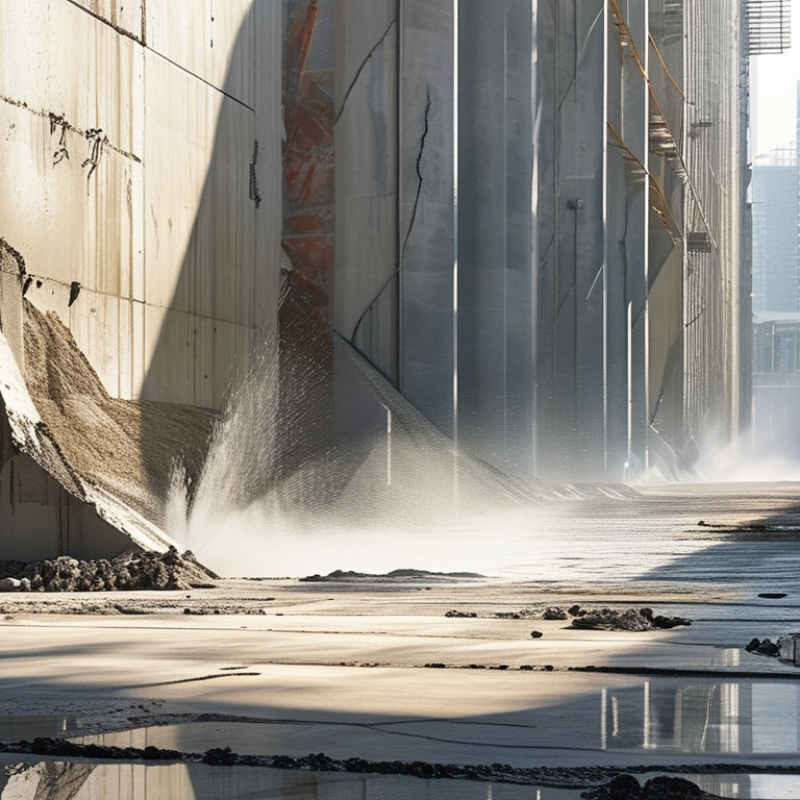
Understanding Shotcrete and Its Application Process
Understanding shotcrete is essential for successful application. Shotcrete is a method of applying concrete through a pressure nozzle, allowing it to adhere to surfaces at high velocity. This technique is often used for repairs, tunneling, and creating structures. However, if not applied correctly, it can crack, compromising its integrity.
To prevent cracking, careful preparation is key. Ensure the surface is clean and free from contaminants. Moistening the substrate can also help the shotcrete bond effectively. Maintaining the right moisture level during the curing process is crucial. Tips include using curing compounds or covering the surface with wet burlap. Both methods help keep the shotcrete hydrated.
Another factor to consider is the mix design. A well-balanced mix, including the right proportions of water and additives, can make a significant difference. It's important to test different mixes before large applications. Additionally, controlling the application temperature is essential. High temperatures can lead to rapid drying, increasing the risk of cracks.
Proper monitoring allows for adjustments during the application process. Mistakes can happen, and it's important to learn from them. Assessing any irregularities early on can lead to better outcomes in future projects.
Preventing Shotcrete Cracking: Key Factors
This chart illustrates the importance levels of various factors contributing to the prevention of cracking in shotcrete applications. Moisture control stands out as the most critical factor, followed closely by temperature monitoring and material quality. Proper curing methods and application techniques also play significant roles in ensuring the integrity of shotcrete.
Common Causes of Cracking in Shotcrete after Application
Shotcrete is a popular technique in construction, but it is prone to cracking. Understanding common causes can help in prevention. One key cause is mixing water. Too much moisture alters the chemical reactions in shotcrete. This imbalance can lead to surface cracks. Proper measurement of water is essential for desired strength.
Another important factor is curing. Shotcrete requires adequate curing to develop strength. Insufficient curing can trigger early drying. This rapid moisture loss increases the risk of cracks. Applying a curing compound promptly can retain moisture. However, there is a fine line; over-curing can cause additional issues.
Temperature changes can also impact shotcrete. Rapid temperature fluctuations may lead to thermal cracking. When shotcrete heats up during the day and cools at night, stress develops. Monitoring these temperatures and implementing thermal blankets can mitigate the risk. People often overlook their impact, but these details play a crucial role in overall quality.
Effective Techniques for Preventing Shotcrete Cracking
Effective Techniques for Preventing Shotcrete Cracking
Shotcrete is a widely used construction material, but cracking can pose serious risks. According to industry reports, shotcrete cracking rates can exceed 30% if not managed well. This highlights the need for effective prevention techniques. One effective method is to control the water-to-cement ratio. A lower ratio enhances strength and reduces shrinkage. Aim for a ratio between 0.35 and 0.45, which can significantly reduce cracking risks.
Another technique is the use of temperature monitoring and control during the curing process. Rapid temperature fluctuations can lead to thermal stresses and cracking. Maintaining a consistent temperature through methods like curing blankets or water sprays can mitigate this issue. Research indicates that a 15% decrease in temperature variations can lead to a notable drop in cracking occurrences.
Incorporating fibers into the shotcrete mix can also provide better tensile strength. Steel or synthetic fibers can minimize crack formation by providing structural integrity. However, it's essential to note that the wrong type or amount of fiber may lead to poor performance. Continuous evaluation of shotcrete under real conditions is crucial. Every site presents unique challenges, and acknowledging these can lead to improved practices.
Monitoring and Maintenance Practices Post-Application
Monitoring shotcrete after application is crucial to prevent cracking. Regular inspections help identify early signs of distress. Look for surface defects and changes in texture. These may indicate underlying issues. Keep an eye on areas under stress, like corners or joints.
Routine maintenance plays a key role in extending shotcrete's life. Ensure proper curing to promote hydration. Too much sun can lead to rapid moisture loss. In such cases, consider misting the surface. This simple step can make a significant difference.
Finally, addressing cracks promptly is essential. Small cracks can worsen if ignored. Consider patching them as soon as they appear. Use appropriate materials to restore the integrity of the shotcrete. Finding the balance between prevention and repair can be challenging, but it is necessary for long-term durability.
Best Practices for Curing Shotcrete to Enhance Durability
Curing shotcrete properly is essential for durability. The hydration process needs careful management to prevent cracking. Temperature control is important. High heat can lead to rapid drying, resulting in surface issues. Therefore, maintaining a consistent, moderate temperature during curing is crucial.
Using wet curing methods can enhance shotcrete strength. This could involve covering the surface with wet burlap or a fine mist of water. Keeping the shotcrete moist for several days fosters proper cement hydration. However, it requires daily monitoring. Unattended, the burlap can dry out, negating the benefits of wet curing.
Also, consider the timing of the curing process. Curing should begin as soon as the shotcrete is applied. Delaying this can cause surface cracking. Test different curing durations to find what works best in your environment. Remember to reflect on the effectiveness of your methods, as improvements can always be made.
FAQS
: Cracking often results from excessive mixing water, insufficient curing, and temperature changes.
Too much moisture disrupts chemical reactions, leading to surface cracks. Proper measurement is crucial.
Adequate curing develops strength. Lack of curing causes early drying, increasing crack risk.
Delaying curing can result in surface cracks. Timing is key to prevent issues.
Yes, rapid temperature changes can cause thermal cracking. Monitoring temperatures helps mitigate this effect.
Wet curing methods, like using burlap or a mist, keep the surface moist and aid hydration.
Curing should continue for several days. Experiment with durations to find the best fit for your conditions.
Over-curing may lead to other issues, so it's essential to find a balance in the process.
Regular monitoring is necessary. Unattended wet burlap can dry out, negating curing benefits.
Reflect on your curing methods and environment; consistent improvements can enhance overall quality.
Conclusion
Shotcrete is a versatile concrete application method known for its efficiency in construction, but understanding "why is shotcrete cracking after application" is critical for ensuring its longevity and performance. Common causes of cracking include rapid moisture loss, improper mixing, and temperature fluctuations, all of which can compromise the integrity of the material.
To mitigate these issues, implementing effective techniques such as maintaining optimal moisture levels, using appropriate curing methods, and conducting regular maintenance can greatly reduce the risk of cracking. Additionally, monitoring the application process and adhering to best practices for curing will enhance the durability of shotcrete structures, ensuring they remain resilient over time.

 SSG Machinery