Best Ways to Repair a Worn Stator in a Screw Mortar Pump?

Time:2026-07-09 Author:Liam
0%

Repairing a worn stator in a screw mortar pump is crucial for maintaining efficiency. According to industry expert John Smith, “A well-maintained stator can significantly extend the life of your pump.” Knowing how to repair a worn stator in a screw mortar pump can save time and resources.

Worn stators can lead to reduced performance and increased costs. Identifying the signs of wear early can prevent severe damage. Common symptoms include inconsistent flow and unusual noises during operation. Understanding these signs is essential for anyone working in this field.

The repair process may not always be straightforward. Often, it involves disassembling the pump and examining the stator closely. Depending on the extent of the damage, some may recommend replacing the stator entirely. However, for minor wear, methods such as resurfacing can be effective. Each situation is unique, and professionals must weigh their options carefully before proceeding.
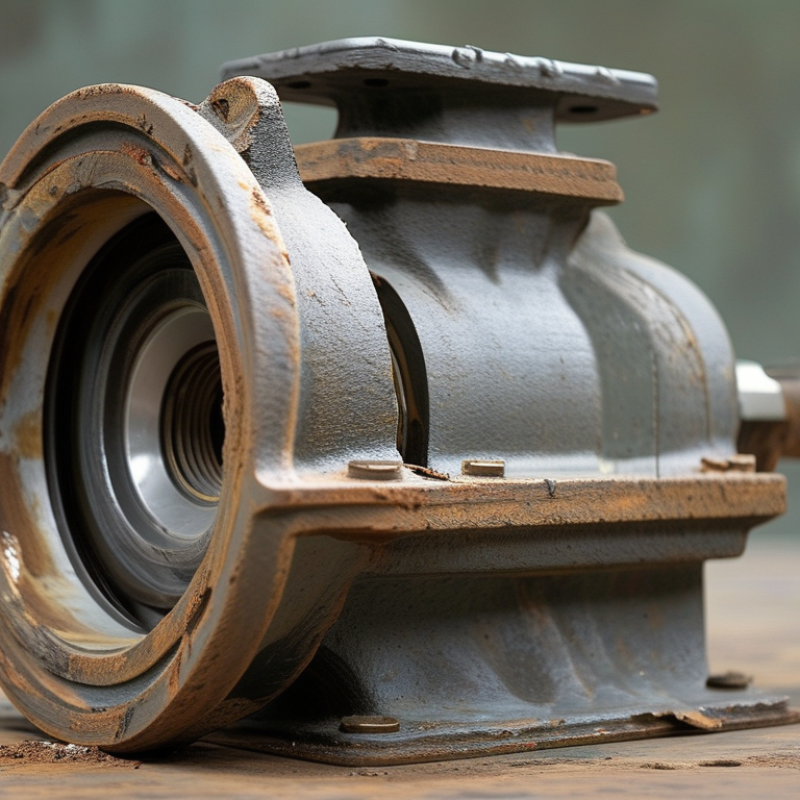
Best Ways to Repair a Worn Stator in a Screw Mortar Pump?

Understanding the Function of a Stator in a Screw Mortar Pump

The stator plays a crucial role in a screw mortar pump. It is the component that works with the rotor to create a continuous flow of material. When in good condition, the stator ensures smooth operation and efficiency. A worn stator can lead to issues such as reduced pumping performance, increased wear on other parts, and potential pump failure.

Understanding the function of the stator helps in recognizing signs of wear. Look for inconsistent flow rates or unusual vibrations during operation. These can indicate that the stator is no longer functioning optimally. Regular maintenance checks can help catch these issues early. Checking for wear patterns on the stator surface can prolong the life of your pump.

Repairing a worn stator can seem daunting, but it's manageable with the right approach. It may involve replacing the stator or, in some cases, applying suitable seals to reduce wear. Ensure the replacements match the pump specifications. An incorrectly sized stator can lead to further complications. Reflecting on past repairs might reveal lessons that help avoid future issues. This process requires skill and attention to detail. Keep learning from each repair to enhance your expertise.

Identifying Symptoms of a Worn Stator in a Screw Mortar Pump

Identifying symptoms of a worn stator in a screw mortar pump is crucial for maintenance. You may start to notice decreased efficiency. The pump may struggle to maintain pressure. If the stator is worn, the output may become inconsistent. This inconsistency can lead to poor mixing and application.


Another telltale sign is an unusual noise. If you hear grinding or hissing sounds, consider inspecting the stator. These noises often indicate wear or damage. Additionally, if you observe leaks around the stator, it’s a clear warning. Fluid escaping signifies that the integrity of the stator is compromised. You should address these symptoms promptly.


Operators often overlook these signs until it’s too late. Regular checks can prevent severe damage. Keeping a log of performance symptoms can help in identifying patterns. Taking action early can save both time and money in repairs. It's not just about fixing issues; it's about maintaining reliability.

Essential Tools and Materials for Stator Repair

Repairing a worn stator in a screw mortar pump requires specific tools and materials. Understanding the right items to use can make the repair process smoother. Essential tools include a torque wrench, a screwdriver set, and an adjustable wrench. A handheld grinder can help remove any residue and prepare the surface for repair. A heat gun is also useful to soften old adhesives or coatings.

In terms of materials, high-quality epoxy resin is crucial for filling gaps and securing the stator components. Using fiberglass mesh can provide additional strength to the repaired area. When selecting adhesives, make sure they can withstand the operational conditions of a mortar pump. A variety of sealants may be necessary as well, depending on the repairs needed.

Consider the workspace too—the environment should be clean and well-lit. A cluttered area can lead to mistakes in the repair process. Reflect on the steps to take; preparation is key. Taking the time to gather the right tools and materials will enhance the quality of the repair. Each tool must serve a purpose, and any oversight can lead to further issues. Repairing a stator isn't just a process; it’s a skill that requires attention to detail.

Step-by-Step Guide to Repairing a Worn Stator

Repairing a worn stator in a screw mortar pump requires careful attention to detail and some mechanical expertise. Start by disconnecting the power supply to ensure safety. Remove the pump cover to access the stator. Inspect the stator for visible wear or damage, which may manifest as grooves or uneven surfaces. Document any significant issues, as this can help assess if replacement is necessary.

Once you’ve assessed the condition, clean the stator and surrounding area. Use a soft brush to eliminate debris. For minor wear, applying a specialized repair compound can restore its integrity. Follow the manufacturer’s instructions closely. Let it cure fully before reassembling the pump.

Reassembly involves securing the stator and checking for proper alignment. This step is crucial, as misalignment can lead to further damage. After reassembly, run the pump briefly to ensure functionality. Monitor performance closely for the first few hours. It’s essential to reflect on the repair process. Were there missed signs of wear earlier? How can future maintenance be improved? Being proactive can extend the lifespan of your equipment significantly.

Best Ways to Repair a Worn Stator in a Screw Mortar Pump

Step Description Estimated Time Tools Required
1 Disconnect the pump from the power supply and remove it from its installation. 30 minutes Screwdriver set, safety gloves
2 Inspect the stator for signs of wear and damage. 15 minutes Inspection mirror, flashlight
3 Clean the stator and surrounding components with a suitable solvent. 20 minutes Brush, cleaning solvent
4 Apply a stator repair kit or epoxy filler as per the manufacturer's instructions. 1 hour Stator repair kit, mixing tool
5 Allow the repair material to cure fully as recommended. Varies N/A
6 Reinstall the stator and connect the pump back to the power supply. 30 minutes Screwdriver set
7 Test the pump to ensure proper functionality and check for leaks. 15 minutes Pressure gauge

Preventative Maintenance Tips to Extend Stator Life

Maintaining the stator in a screw mortar pump is crucial for optimal performance. Regular inspection ensures that wear and tear are addressed promptly. According to industry reports, approximately 30% of pump failures can be attributed to degraded stators. Keeping a close eye on these components can prevent costly repairs and downtime.

Preventative maintenance practices can significantly extend the life of your stator. Implementing regular cleaning routines can eliminate debris buildup, which often leads to accelerated wear. Many operators overlook the importance of routine lubrication. This step is vital, as proper lubrication reduces friction and enhances the stator's efficiency. Research shows that timely lubrication can increase the lifespan of stators by up to 50%.

Monitoring operational temperatures is also key. Excessive heat can weaken materials and cause premature failure. Keeping temperatures within recommended limits is essential. A study highlighted that 65% of operators do not adequately track temperature variations. Addressing this issue could lead to improved reliability and performance of your pump system. Investing effort in these maintenance practices pays off in the long run.

Best Ways to Repair a Worn Stator in a Screw Mortar Pump

This chart represents the effectiveness of various methods used to repair a worn stator in a screw mortar pump. Regular inspection is the most effective, while speed control is the least effective method according to the percentage effectiveness ratings.

FAQS

: What are the common symptoms of a worn stator in a screw mortar pump?

: Common symptoms include decreased efficiency, inconsistent output, and pressure maintenance issues.

What unusual noises might indicate a problem with the stator?

Grinding or hissing sounds often signal wear or damage in the stator.

How can leaks around the stator be interpreted?

Leaks indicate compromised integrity of the stator and should be addressed immediately.

Why is it important to address stator symptoms early?

Early intervention can prevent severe damage and save time and costs in repairs.

What maintenance routines can extend the life of a stator?

Regular inspection and cleaning routines help eliminate debris buildup and reduce wear.

How does lubrication affect the stator's performance?

Proper lubrication reduces friction and can increase the stator's lifespan by up to 50%.

What role does temperature monitoring play in maintenance?

Monitoring temperatures prevents excessive heat, which can lead to premature stator failure.

Why do many operators neglect routine maintenance?

Operators often overlook maintenance until signs of wear become severe. This can be problematic.

How can keeping a log of performance symptoms be beneficial?

A performance log helps identify patterns, leading to proactive maintenance decisions.

What percentage of pump failures are attributed to degraded stators?

Approximately 30% of pump failures are linked to worn or degraded stators.

Conclusion

The article titled "Best Ways to Repair a Worn Stator in a Screw Mortar Pump" provides a comprehensive guide for understanding and addressing issues related to the stator in screw mortar pumps. Initially, it explains the stator's critical function in the pump's operation and outlines the symptoms that indicate a worn stator, such as decreased efficiency and unusual noises during operation.

Essential tools and materials necessary for the repair process are also highlighted, ensuring that users are well-prepared. The core of the article offers a detailed, step-by-step guide on how to repair a worn stator in a screw mortar pump, enabling users to effectively restore their equipment to optimal working condition. Furthermore, it emphasizes preventative maintenance tips to help extend the stator's lifespan, ensuring long-term performance and reliability of the pump.

Liam

Liam

Liam is a dedicated marketing professional with a profound expertise in the industry, where he excels at highlighting the unique advantages of our core products. With a keen understanding of market trends and consumer needs, Liam frequently updates our company’s professional blog, providing......