Top 10 Types of Oil for a Vertical Grouting Mixer?

Time:2026-09-17 Author:Madeline
0%

Choosing the correct lubricant is essential when operating a vertical grouting mixer. The wrong oil can increase heat, accelerate gear wear, and complicate maintenance. Yet many buyers ask a simple question without checking the machine’s design: what type of oil goes into a vertical grouting mixer?

The answer depends on the component requiring lubrication. A gearbox may need industrial gear oil, while a hydraulic power unit usually requires hydraulic fluid. Some compact mixers use grease-filled bearings or sealed components instead. Viscosity, operating temperature, load, seal material, and manufacturer specifications all matter. Oil that works in a slow planetary gearbox may perform poorly in a high-pressure hydraulic circuit.

Jim Fitch, founder of Noria Corporation and a recognized lubrication educator, has stated, “Oil is the lifeblood of machinery.” That principle applies directly here. Clean, correctly rated oil protects moving parts when cement dust surrounds the mixer and thick grout places constant resistance on the shaft.

This guide examines the top 10 types of oil commonly associated with vertical grouting mixer systems. It also explains where each oil belongs, when it should be changed, and which mistakes deserve attention. A neat-looking answer can still be wrong. Some machines share similar frames but use completely different transmissions, pumps, and reservoirs.

Check the service manual first. Always.

The following recommendations are practical guidance, not a substitute for the manufacturer’s exact oil grade. Field experience helps, but model-specific evidence should control the final decision.
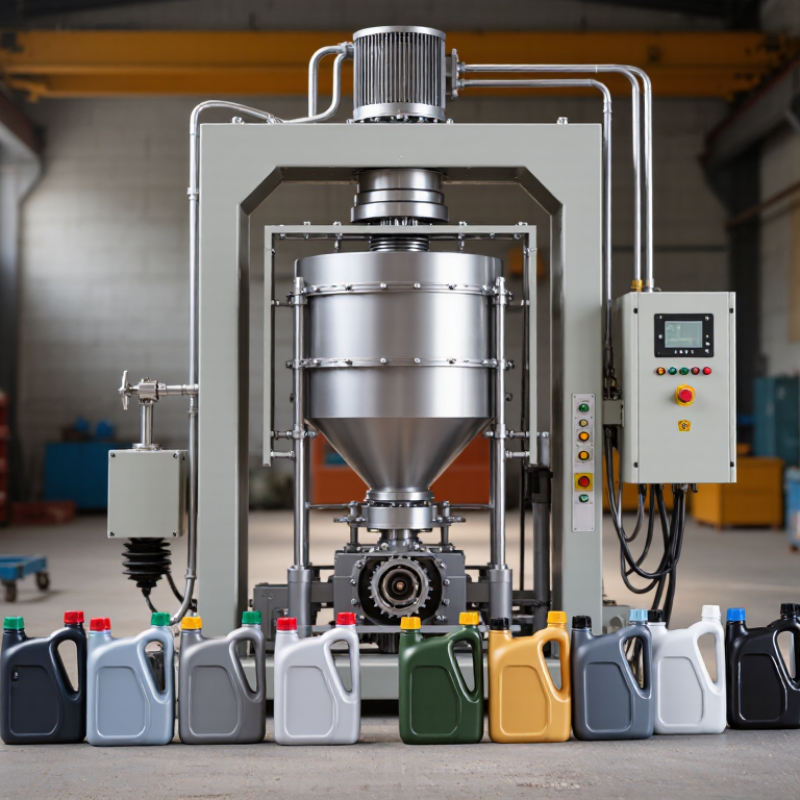
Top 10 Types of Oil for a Vertical Grouting Mixer?

How Oil Supports the Performance of a Vertical Grouting Mixer

Top 10 Types of Oil for a Vertical Grouting Mixer

Oil supports a vertical grouting mixer through lubrication, cooling, sealing, and corrosion control. The main options include mineral gear oil, PAO synthetic oil, ester-based oil, PAG oil, EP gear oil, hydraulic oil, bearing oil, compressor oil, turbine oil, and biodegradable ester oil. They are not interchangeable. A reduction gearbox may need EP gear oil, while hydraulic circuits require hydraulic fluid with suitable anti-wear protection. Bearings often need grease instead of liquid oil. Check the equipment manual first.

ISO 3448 defines 18 industrial viscosity grades, from ISO VG 2 to ISO VG 1500. This range shows why viscosity selection matters. A thick ISO VG 320 oil can protect slow, heavily loaded gears, but it may increase starting torque in cold conditions. ASTM D445 measures kinematic viscosity, helping technicians compare oils at controlled temperatures. ISO 12925-1 also classifies lubricants for enclosed gears. The U.S. Department of Energy’s Operations & Maintenance Best Practices Guide reports that preventive maintenance can reduce maintenance costs by roughly 12–18%. Oil sampling supports that practice. Inspect metal particles, water, odor, and viscosity changes. Small details matter. A practical mistake is choosing oil by color or price. I have seen clean-looking oil hide water contamination. Recheck the drain plug, temperature, and operating load after several mixing cycles.

Ten Common Oil Types Used in Vertical Grouting Mixer Systems

Vertical grouting mixer systems use different oils for hydraulic units, gearboxes, pumps, and drive mechanisms. Ten common oil types include mineral hydraulic oil, synthetic hydraulic oil, biodegradable hydraulic oil, anti-wear hydraulic oil, high-viscosity-index hydraulic oil, industrial gear oil, extreme-pressure gear oil, circulating oil, compressor oil, and chain oil. Each type serves a specific operating need.

Mineral hydraulic oil is economical and widely used in stable workshop conditions. Synthetic hydraulic oil performs better during temperature changes and extended operating cycles. Biodegradable hydraulic oil suits projects near sensitive soil or water areas. Anti-wear oil protects pumps and valves from repeated metal contact. High-viscosity-index oil helps maintain flow during cold starts and hot mixing. Gear oil supports enclosed reducers, while extreme-pressure gear oil handles heavy tooth loads. Circulating oil protects continuously moving bearings. Compressor oil may serve pneumatic accessories, not the main gearbox. Chain oil stays on exposed drive chains better than thin general-purpose oils.

Check the equipment manual before filling anything. Oil viscosity matters. A cold morning can make unsuitable oil move like syrup. Excessive heat can thin it too much. Inspect the sight glass, drain plug, and filter for dark oil or metal particles. Mixing oil types is a common mistake. It can reduce performance or damage seals. Clean oil is not automatically correct oil. Oil selection should consider load, temperature, sealing materials, service interval, and contamination risk. Even experienced operators sometimes overlook the auxiliary drive.

Top 10 Types of Oil for a Vertical Grouting Mixer? - Ten Common Oil Types Used in Vertical Grouting Mixer Systems

No. Oil Type Typical Mixer System Component Common Viscosity Grade Main Function Typical Benefits Important Selection Point
1 Mineral-Based Hydraulic Oil Hydraulic power unit, lifting circuit, or hydraulic drive ISO VG 32, 46, or 68 Transfers power and lubricates hydraulic pumps, valves, and actuators. Widely available, cost-effective, and suitable for many standard hydraulic systems. Select viscosity according to ambient temperature, pump requirements, and the equipment manual.
2 Anti-Wear Hydraulic Oil Hydraulic pump and control manifold ISO VG 32, 46, or 68 Reduces wear in pump components and protects against rust and oxidation. Contains anti-wear additives commonly used in vane, piston, and gear pumps. Confirm that the additive package is compatible with seals, hoses, and hydraulic components.
3 Industrial Gear Oil Worm gearbox, helical gearbox, or reduction gearbox ISO VG 150, 220, or 320 Lubricates gears, bearings, and shafts that transmit torque to the mixing blades. Provides load-carrying capacity and protection against scuffing and pitting. Worm gears may require a lubricant specifically approved for bronze gear components.
4 Synthetic PAO Gear Oil High-load or continuously operated gearbox ISO VG 150, 220, or 320 Lubricates gearbox components over a broad operating-temperature range. Good oxidation resistance, low-temperature flow, and potentially longer drain intervals. Check compatibility with existing mineral oil, elastomers, paint, and gearbox materials before conversion.
5 Polyglycol Gear Oil Certain worm gearboxes requiring low-friction lubrication ISO VG 220 or 320 Reduces friction and heat in compatible worm-gear drives. Can provide favorable friction performance in some steel-and-bronze worm gear arrangements. Do not mix with mineral or PAO oils unless the lubricant supplier confirms compatibility.
6 Food-Grade Hydraulic Oil Hydraulic equipment used where incidental food contact is possible ISO VG 32 or 46 Provides hydraulic power and lubrication with a food-grade formulation. Suitable for applications requiring an incidental-contact lubricant classification. Verify the applicable food-contact certification and follow strict contamination-control procedures.
7 Food-Grade Gear Oil Gear reducer in food, pharmaceutical, or clean-process areas ISO VG 150, 220, or 320 Protects gearbox teeth and bearings where incidental contact requirements apply. Supports hygiene requirements while maintaining gear-load protection. Use only when the gearbox manufacturer permits the specific food-grade lubricant formulation.
8 Biodegradable Ester Hydraulic Oil Hydraulic system operating near soil, water, or environmentally sensitive areas ISO VG 32, 46, or 68 Transfers hydraulic power while reducing the environmental persistence of accidental releases. High biodegradability is useful for outdoor grouting and construction work. Check seal compatibility, water-handling characteristics, and the required environmental specification.
9 Circulating or Bearing Oil Oil-lubricated bearings, chain drives, or auxiliary circulation systems ISO VG 32, 46, or 68 Reduces friction and removes heat from lightly to moderately loaded moving parts. Good demulsibility and oxidation stability are available in many formulations. It is not a substitute for gear oil or hydraulic oil unless the equipment documentation allows it.
10 Air-Line or Pneumatic Tool Oil Pneumatic motor, air lubricator, or air-operated auxiliary equipment ISO VG 22 or 32 Lubricates pneumatic motors and valves supplied by compressed air. Low viscosity supports atomization and delivery through pneumatic lubricators. Use only in pneumatic equipment; it should not replace hydraulic or gearbox lubricant.
Selection note: The correct oil depends on the specific subsystem, gearbox design, operating temperature, load, seal materials, and maintenance instructions. Always use the viscosity and performance specification stated by the vertical grouting mixer or component manufacturer, and drain or flush the system before changing lubricant families.

Oil Selection by Mixer Component, Load, Speed, and Operating Conditions

Top 10 Types of Oil for a Vertical Grouting Mixer?
Oil Selection by Mixer Component, Load, Speed, and Operating Conditions

Choosing oil for a vertical grouting mixer starts with the component, not the oil shelf. The ten practical categories include mineral gear oil, synthetic gear oil, extreme-pressure gear oil, hydraulic oil, circulating oil, turbine oil, bearing oil, compressor oil, food-grade oil, and biodegradable ester oil. In field inspections, gearbox temperature and noise reveal more than a product label. Heavy grout loads need strong film strength and suitable extreme-pressure protection. Slow, highly loaded reducers usually require a heavier gear oil. High-speed shafts often perform better with lower-viscosity oil, because excess thickness increases drag and heat.

Gearboxes demand dedicated gear oil. Hydraulic drives require clean hydraulic oil with stable viscosity. Oil-bath bearings need a clean bearing or circulating oil, while sealed bearings normally require the lubricant specified by their manufacturer. Electric motor bearings are often grease-lubricated, not oil-lubricated. This detail is easy to miss. Seals also matter. Some synthetic fluids can soften older seal materials, causing leakage around the shaft.

Dust, water, temperature, and mixing cycles change the decision. Wet job sites may need stronger water separation and corrosion control. Cold starts favor a lower pour point. Hot, continuous operation favors oxidation resistance. Check the manual, measure operating temperature, and inspect the drained oil for metal or grout particles. I have seen teams overfill reducers, assuming more oil means better protection. It usually creates foaming and heat. Oil choice is important, but level, cleanliness, and replacement timing can matter just as much.

How to Compare Viscosity, Additives, Compatibility, and Service Life

Top 10 Types of Oil for a Vertical Grouting Mixer: How to Compare Viscosity, Additives, Compatibility, and Service Life

Choosing oil for a vertical grouting mixer requires more than matching a label. Common options include mineral oil, PAO synthetic oil, ester oil, PAG oil, silicone oil, hydraulic oil, gear oil, compressor oil, food-grade synthetic oil, and high-temperature bearing oil. Each behaves differently under load, heat, water exposure, and continuous mixing.

Viscosity is the practical starting point. A thin oil may reduce drag but can leave metal surfaces poorly protected. A thick oil can increase motor load, especially during cold starts. Check the equipment manual, then compare the recommended ISO viscosity grade. Additives also matter. Anti-wear, rust protection, extreme-pressure, and anti-foam additives may improve performance. However, too many additives can create seal swelling, deposits, or unpredictable reactions.

Compatibility deserves a field check. Some synthetic oils may soften elastomer seals, while water or grout dust can shorten oil life quickly. I have seen clean-looking oil fail early after fine cement particles entered through a worn seal. Service life depends on temperature, operating hours, contamination, and maintenance habits. A fixed replacement schedule is useful, but not always accurate.

Tips: Inspect the oil’s color, smell, and thickness before each service. Record operating hours and unusual noise. Never mix oils unless their base fluids and additive systems are confirmed compatible. A small sample test can prevent a costly mistake.

Safe Oil Change, Storage, Inspection, and Maintenance Practices

For a vertical grouting mixer, oil selection depends on the gearbox, hydraulic circuit, and operating temperature. Common choices include mineral gear oil, synthetic gear oil, PAO oil, ester-based oil, hydraulic oil, turbine oil, compressor oil, circulating oil, food-grade lubricant, and biodegradable oil. The service manual must control the final choice. Viscosity matters more than marketing language.

Safety starts before draining. Stop the mixer, isolate every energy source, and apply lockout procedures under OSHA 29 CFR 1910.147. Let hot oil cool, but keep it warm enough to flow. Use a drain pan with sufficient capacity. Spills around grout dust create slippery, abrasive surfaces. Wear gloves and eye protection. Small mistakes happen.

Store oil in sealed, labeled containers. Keep them upright, shaded, and away from water. Mark the purchase date and use older stock first. The U.S. Department of Energy’s Operations & Maintenance Best Practices Guide reports that preventive maintenance can reduce costs by roughly 12–18% compared with reactive work. That figure is not guaranteed for every mixer, but it supports planned inspection.

Inspect oil before replacement. Check level, color, burnt odor, foam, metal particles, and water haze. Record gearbox temperature, leakage, and unusual noise. ISO 4406 cleanliness codes help evaluate particle contamination in hydraulic oil, but they do not set change intervals. After filling, run the mixer briefly, stop it, and recheck the level. A second inspection is often worthwhile.

Top 10 Types of Oil for a Vertical Grouting Mixer

The chart compares representative viscosity values at 40°C for commonly considered oils. Higher viscosity oils are generally used for slower, heavily loaded gearboxes, while lower viscosity oils are more common in hydraulic systems and lighter-duty components.

Always confirm the required oil type, viscosity grade, temperature range, and additive specification in the mixer or gearbox service manual. Before changing oil, stop and isolate the equipment, drain it while warm but safe to handle, inspect for metal particles or contamination, and store new oil in sealed containers away from heat, water, and dust.

FAQS

What does oil do in a vertical grouting mixer?

Oil reduces friction, carries heat away, seals moving parts, and helps limit corrosion. It protects gears during heavy mixing. Clean oil matters.

How should I choose oil for the mixer?

Start with the component, not the container label. Check the service manual, operating temperature, load, speed, and seal material.

Which oil suits a heavily loaded gearbox?

A suitable gear oil with strong film strength may protect slow, loaded gears. A thicker grade can increase starting torque in cold conditions.

Does every mixer component use the same oil?

No. Gearboxes need gear oil, while hydraulic circuits need hydraulic fluid. Sealed motor bearings often require grease instead.

How does temperature affect oil selection?

Cold starts favor oil with a lower pour point. Hot, continuous operation needs strong oxidation resistance. Measure the gearbox temperature after mixing.

What signs show that oil needs inspection?

Look for foam, water haze, burnt odor, metal particles, unusual color, or changed viscosity. Check for leaks around the shaft.

Can overfilling improve mixer protection?

Usually not. Excess oil can create foaming, heat, and leakage. Fill to the specified level, then recheck after a short test run.

How can I change the oil safely?

Stop the mixer and isolate all energy sources before draining. Let hot oil cool slightly, wear gloves and eye protection, and use a large drain pan.

How should replacement oil be stored?

Keep sealed containers upright, shaded, labeled, and away from water. Record purchase dates and use older stock first. I would inspect the cap twice.

How often should the oil be replaced?

The manual and operating conditions should decide the interval. Dust, water, heat, and frequent mixing can shorten service life. A fixed interval may fail.

Conclusion

Choosing the right oil is essential for maintaining the efficiency, reliability, and service life of a vertical grouting mixer. The correct lubricant reduces friction, controls heat, protects gears and bearings from wear, and supports stable operation under heavy loads, frequent starts, and demanding jobsite conditions. Common options may include hydraulic oil, gear oil, compressor oil, turbine oil, machine oil, and specialized synthetic or mineral-based lubricants. However, the best choice depends on the mixer’s component, operating speed, load, temperature, sealing materials, and manufacturer-approved specifications.

When asking “what type of oil goes into a vertical grouting mixer,” operators should compare viscosity, additive packages, oxidation resistance, water separation, material compatibility, and expected service life rather than selecting oil by name alone. Safe maintenance includes shutting down and isolating the mixer, draining used oil responsibly, cleaning the reservoir, preventing contamination, checking oil levels and leaks, and storing fresh oil in sealed, clearly labeled containers. Regular inspections and timely oil changes help prevent costly downtime and preserve consistent mixing performance.

Madeline

Madeline

Madeline is a dedicated marketing professional with a wealth of expertise in our company's core offerings. With a keen understanding of the industry, she brings a unique perspective to her role, consistently delivering high-quality content that highlights the superior aspects of our products. As......