7 Tips Why Choose a Diesel Shotcrete Machine Over an Electric One?

Time:2026-09-27 Author:Henry
0%

Choosing the right shotcrete machine can affect productivity, concrete quality, and crew safety. The decision becomes especially important on remote tunnels, mines, slopes, and construction sites without stable electrical power. This is why many contractors ask, why choose a diesel shotcrete machine over an electric one?

A diesel model carries its own power source. It can work across uneven ground, distant work zones, and changing site conditions. There is no long power cable to drag through wet soil or around steel reinforcement. That practical freedom can save setup time. It can also reduce interruptions when generators or electrical supplies become unreliable. Still, diesel machines are not perfect. They may produce more noise, exhaust, and maintenance demands. Ventilation is essential in enclosed spaces. Fuel handling requires discipline.

Dr. Marc Jolin, a recognized shotcrete specialist and professor at Université Laval, has emphasized, “Shotcrete quality depends on the entire process, not merely the equipment.” His point matters here. A diesel machine may offer mobility, but trained operators, correct mix design, steady pumping, and nozzle control remain critical. A powerful engine cannot repair poor material preparation.

In real work, the better choice depends on access, ventilation, operating hours, and environmental requirements. Electric equipment may suit clean indoor projects with dependable power. Diesel equipment often fits large, mobile, or remote operations more naturally. The answer is not universal. That is the part contractors sometimes overlook. This guide examines the practical reasons behind the choice, including performance, operating costs, maintenance, emissions, and jobsite flexibility.
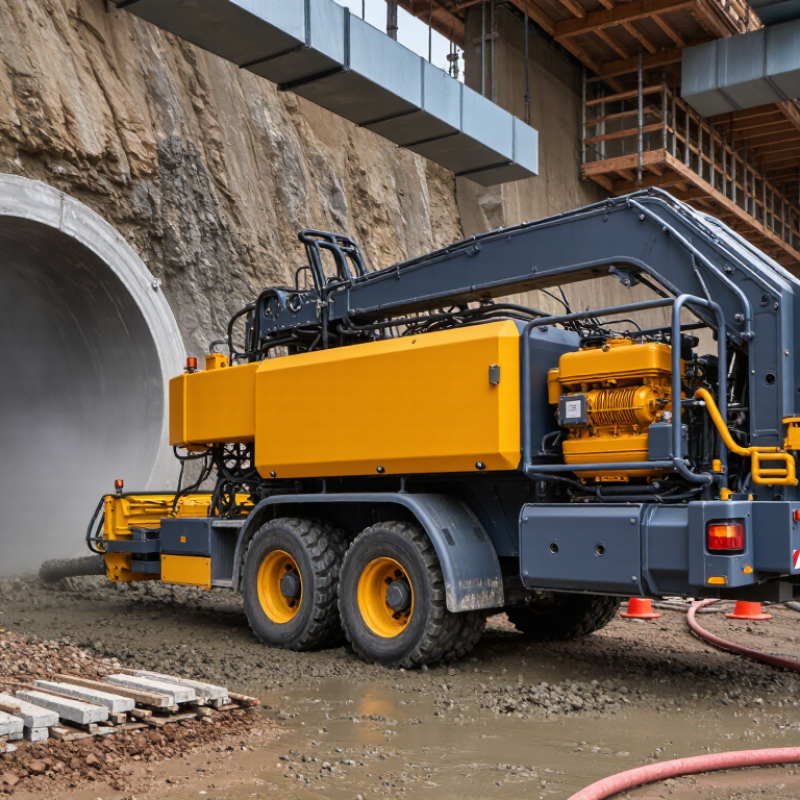
7 Tips Why Choose a Diesel Shotcrete Machine Over an Electric One?

Diesel and Electric Shotcrete Machines: Key Differences

Diesel and Electric Shotcrete Machines: Key Differences

Diesel machines suit sites where power access is limited or the unit must move between work areas. Refueling is quick, and there is no long power cable to route around hoses or scaffolding. The trade-off is exhaust, engine noise, and regular fuel and engine maintenance. Electric machines run quieter and produce no exhaust at the point of use. They can be a practical fit for enclosed work, provided the site has a suitable power supply.

Tip 1: Check the actual jobsite before choosing. A diesel unit may offer greater independence outdoors, but enclosed areas need careful ventilation planning. An electric unit avoids onsite exhaust, yet voltage, cable length, and available current can limit where it operates. Check the site.

Tip 2: Compare the full operating routine, not just the purchase price. Diesel costs depend on fuel use, servicing, and hours worked. Electric costs depend on power access and equipment demand. I would not assume diesel is automatically cheaper; the numbers can shift with each project. Tip 3: Ask operators about setup time, access, and daily cleaning. Small delays add up. There is no perfect choice.

Diesel and Electric Shotcrete Machines: Key Differences

A practical comparison of typical on-site requirements. In the chart, 1 means the requirement is present and 0 means it is not; this is not a measure of machine performance.

7 tips for choosing

  1. Consider diesel for remote sites without a dependable electrical supply.
  2. Check whether fuel delivery and refueling are practical for the job.
  3. Consider diesel when frequent relocation makes cable access difficult.
  4. Choose electric when reliable power is available at the work area.
  5. For enclosed or underground work, account for diesel engine exhaust and ventilation requirements.
  6. Consider electric where avoiding engine exhaust at the machine is important; electricity may still have upstream emissions.
  7. Compare the specific models’ output, duty cycle, noise, maintenance, and total operating costs before deciding.

Actual requirements vary by machine configuration and site conditions. Electric equipment still requires appropriate general ventilation and a suitable power supply.

How Diesel Power Supports Remote and Demanding Worksites

A diesel shotcrete machine can keep a crew working where grid power is weak, distant, or unavailable. That matters on a mountain road cut, a drainage channel, or a tunnel approach without a dependable outlet. Its engine reduces reliance on temporary cables and site power capacity. Fewer cables. Fuel still needs to reach the work area, so delivery and storage require planning.

At a remote jobsite, crews can schedule refueling alongside deliveries of cement and aggregate. Before a shift, an operator can check engine oil, coolant, belts, and air filters; dust can clog filters faster than expected. Stable power helps maintain consistent spraying when the work involves long hose runs or sustained placement. Still, output depends on the full setup, including material mix, hose condition, and nozzle technique. Diesel alone cannot fix poor preparation.

A diesel machine may suit exposed, demanding sites, but it is not automatically the better choice. Engines need regular maintenance, and noise can make communication harder. Exhaust also requires careful management, especially in tunnels or other enclosed spaces; adequate ventilation and site-specific controls matter. For short jobs beside reliable power, an electric unit may be simpler. Remote crews should weigh fuel access, workload, and ventilation before choosing.

Why Diesel Machines Deliver Greater Mobility and Operating Flexibility

On a shotcrete job, mobility means more than moving the machine between work areas. A diesel unit carries its energy supply, so crews can reposition it without waiting for a suitable electrical connection or moving long power cables. That matters. At remote tunnel portals, steep cuts, or temporary headings, those constraints can slow a pour. The U.S. Department of Energy’s Alternative Fuels Data Center lists diesel at about 137,000 Btu per gallon. This indicates substantial onboard energy, though it is not a direct measure of machine efficiency against electric equipment.

Grid access can also be uncertain. The U.S. Energy Information Administration reported an average of 5.5 hours of electricity interruptions per U.S. customer in 2022. That national figure does not predict conditions at a specific jobsite, but it illustrates why crews may value an independent power source. Diesel still needs a reliable refueling plan, and its exhaust, heat, and noise require careful management, especially in enclosed work areas. Not always the better choice. Where stable power is available and ventilation is limited, electric equipment may be more practical. A site assessment should weigh cable routes, operating hours, refueling access, and ventilation before choosing.

Comparing Diesel and Electric Models for Heavy-Duty Performance

On a demanding shotcrete job, the power source can shape the whole workday. A diesel machine suits remote sites where grid access is limited or unreliable. It can run independently, helping crews maintain a steady spray cycle across long shifts. That matters when moving the setup would cost time. Diesel units may also deliver robust output for thick mixes and extended hose runs, depending on pump design and site conditions.

Electric models have clear strengths, too. They usually run more quietly and produce no exhaust at the point of use, which can be valuable in enclosed work areas. If dependable power is available, an electric machine may reduce fuel handling and simplify routine operation. But the supply must match the machine’s voltage and current requirements. A long cable or undersized generator can cause downtime. Check the technical specifications.

For heavy-duty work, compare more than headline output. Look at hourly production, maximum conveying distance, duty cycle, and access for cleaning and service. Diesel adds fuel, filters, and engine maintenance to the checklist. Electric equipment still needs careful inspection of cables, connections, and motor components. Neither option wins everywhere. A muddy, isolated site may favor diesel; a ventilated plant with stable power may favor electric. I’d also ask operators about noise, refueling time, and actual daily output. Those details can expose a mismatch before delivery.

7 Tips: Why Choose a Diesel Shotcrete Machine Over an Electric One? — Comparing Diesel and Electric Models for Heavy-Duty Performance
Tip Diesel Model Electric Model Heavy-Duty Selection Guidance
1. Consider site power availability Can operate without a site electrical supply, provided fuel and required maintenance are available. Requires a suitable electrical supply, with the correct voltage, phase, and capacity for the machine. Diesel can be practical at remote or developing sites where reliable electrical service is unavailable.
2. Assess mobility between work areas Does not need a power cable running back to a supply point, though the machine still needs suitable access and transport. May need power cables, cable protection, and a supply point near the work area. For changing work locations, compare travel distance, access, cable routing, and refueling logistics—not just the drive type.
3. Match the machine to the required output Available engine power and pumping or conveying capacity depend on the specific model and configuration. Available motor power and pumping or conveying capacity also depend on the specific model and configuration. Compare rated output and operating limits under the intended mix, hose length, and application method. The power source alone does not determine shotcrete output.
4. Plan for ventilation and emissions A combustion engine produces exhaust and needs appropriate ventilation and emissions controls, especially in enclosed or underground work areas. Produces no exhaust at the machine’s point of use, although electricity generation may produce emissions elsewhere. For poorly ventilated tunnels or indoor areas, an electric model may be preferable where a suitable power supply is available.
5. Compare operating costs realistically Operating costs include diesel, engine servicing, and other maintenance specified by the manufacturer. Operating costs include electricity, electrical-system servicing, and any site costs associated with supplying power. Estimate total cost using local fuel and electricity prices, expected operating hours, maintenance requirements, and site power setup.
6. Account for noise and the work environment The engine adds operating noise; actual sound levels depend on the machine, enclosure, load, and surroundings. Can avoid engine noise at the machine, but pumps, compressors, and material handling may still generate noise. Check manufacturer sound data and site rules, particularly for night work, occupied areas, and noise-sensitive locations.
7. Check uptime, servicing, and support Requires fuel management and engine maintenance; service needs vary by model and working conditions. Requires a dependable power supply and electrical-system maintenance; interruptions may occur if site power is unreliable. Choose the option with dependable local service, available parts, and a practical maintenance plan for the project schedule.
Important: There is no universally better drive type. Confirm the machine’s technical specifications, site power conditions, ventilation requirements, and applicable safety rules before selecting a model.

How to Choose the Right Diesel Shotcrete Machine for Your Project

Choosing the right diesel shotcrete machine starts with the worksite, not the brochure. Measure tunnel width, access height, hose distance, and the volume your crew can place per shift. A compact unit may reach a narrow heading, while a larger machine can reduce refilling on broad slopes. Check the rated output against your actual mix and nozzle needs; published capacity is not the same as steady production. It’s easy to overlook cleanup time.

Tip: Compare fuel use, service access, and parts availability alongside output. The U.S. Energy Information Administration lists diesel fuel at about 137,381 Btu per gallon in its energy conversion data. That figure describes fuel energy, not machine efficiency, so request operating-use figures under comparable conditions. Ask operators to record fuel use and placed volume during a representative shift.

Tip: Match the power source to the site. Diesel can suit remote projects without dependable electrical supply, but exhaust, ventilation, noise, and indoor operating conditions need careful review. Inspect filters, hoses, and wear components before purchase, and confirm local service support. Ask for a practical demonstration using your aggregate and mix design. A neat test pad may not reflect a cramped, dusty heading. Compare the setup time, spray rebound, and finish quality with your crew present. I would leave some allowance for delays; real sites rarely run perfectly.

FAQS

How does a diesel shotcrete machine improve mobility?

It carries its own energy supply, so crews can reposition it without waiting for an electrical connection. Long cables may not be needed. Refueling still requires planning.

When is diesel equipment useful at a remote site?

It can suit tunnel portals, steep cuts, and temporary headings with unreliable power access. Check refueling access, ventilation, heat, and noise before choosing.

What should I measure before selecting machine size?

Measure tunnel width, access height, hose distance, and the volume your crew can place per shift. A compact unit may fit narrow headings better.

Does the rated output show what a machine will produce all day?

No. Published capacity may differ from steady production with your mix and nozzle. Cleanup time matters, too.

How should I compare fuel-use figures?

Request operating-use data gathered under comparable conditions. Fuel energy figures describe the fuel, not the machine’s efficiency. Record fuel use during a representative shift.

What should a practical machine demonstration include?

Use your aggregate and mix design, with your crew present. Compare setup time, spray rebound, and finish quality. A neat test pad can mislead.

Which maintenance details are worth checking?

Inspect filters, hoses, and wear components. Confirm parts availability and local service support before purchase.

Is diesel always the best choice for a remote or enclosed job?

No. Diesel may help where dependable power is unavailable, but exhaust and ventilation need careful review. Stable power and limited ventilation may favor electric equipment. I would leave room for delays; real sites rarely run perfectly.

Conclusion

Choosing the right shotcrete machine depends on your worksite, power access, workload, and mobility needs. Diesel and electric models differ in how they are powered and where they work best. Diesel power can be especially useful at remote sites or in demanding conditions where a reliable electrical supply is unavailable. Its self-contained operation also offers greater mobility and flexibility when crews need to move between locations or work across changing terrain.

When comparing models for heavy-duty performance, consider the required output, operating conditions, fuel use, maintenance needs, and overall project costs. Asking why choose a diesel shotcrete machine over an electric one comes down to whether independent power and versatile site access outweigh the benefits of an available electrical connection. Match the machine’s capacity and features to your project’s duration, material demands, and worksite layout to make a practical choice.

Henry

Henry

Henry is a dedicated marketing professional with a profound expertise in the company's offerings. With years of experience in the industry, he possesses an impressive understanding of the market dynamics and consumer behaviors that drive success. Henry is committed to sharing his insights through......