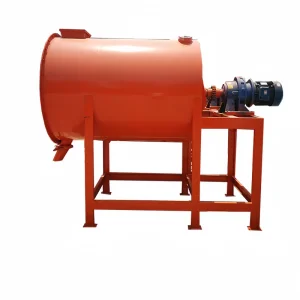
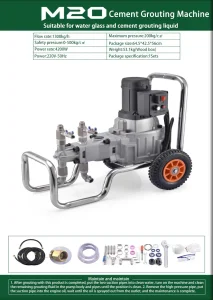
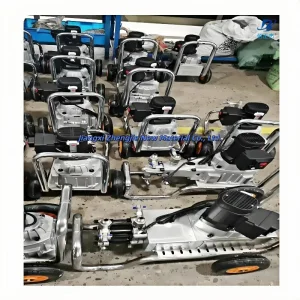
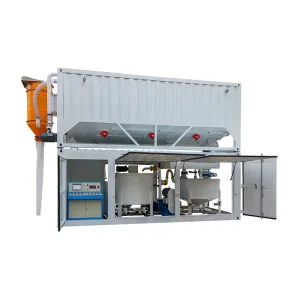
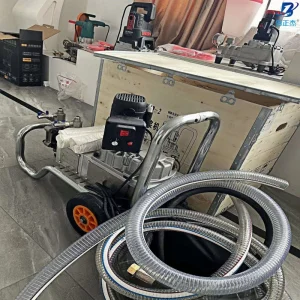
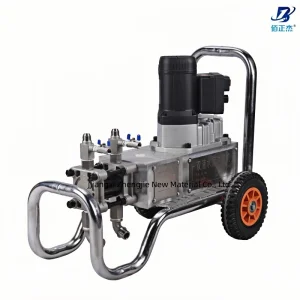
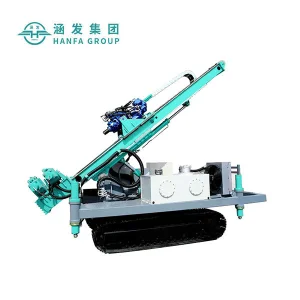
Advanced high-pressure dual-liquid grout injection machines configured for Norway's extreme infrastructure and tunnel reinforcement tasks.
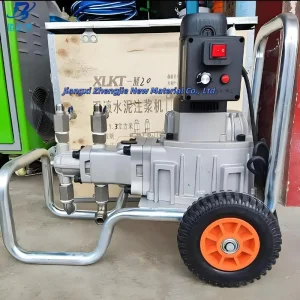
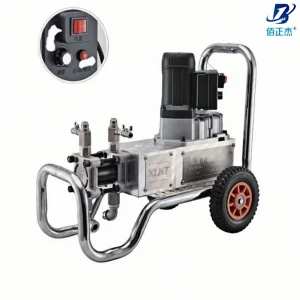
Norway is globally renowned for its pioneering subsea tunnels, deep fjord crossings, and extensive underground cavern infrastructures. However, working within the Norwegian crystalline shield and highly fractured gneiss terrains demands exceptional waterproofing and consolidation technologies. High-pressure water ingress, geological fault zones, and clay-filled gouges present persistent structural and environmental hazards during excavation works.
To secure subterranean integrity and control water flow under extreme hydrostatic heads, geotechnical teams must utilize state-of-the-art dual-liquid grouting systems. Ordinary Portland Cement (OPC) or microfine cement is injected concurrently with sodium silicate (waterglass) to trigger immediate gelation, preventing the grouting material from washing away before it can solidify inside water-bearing fractures.
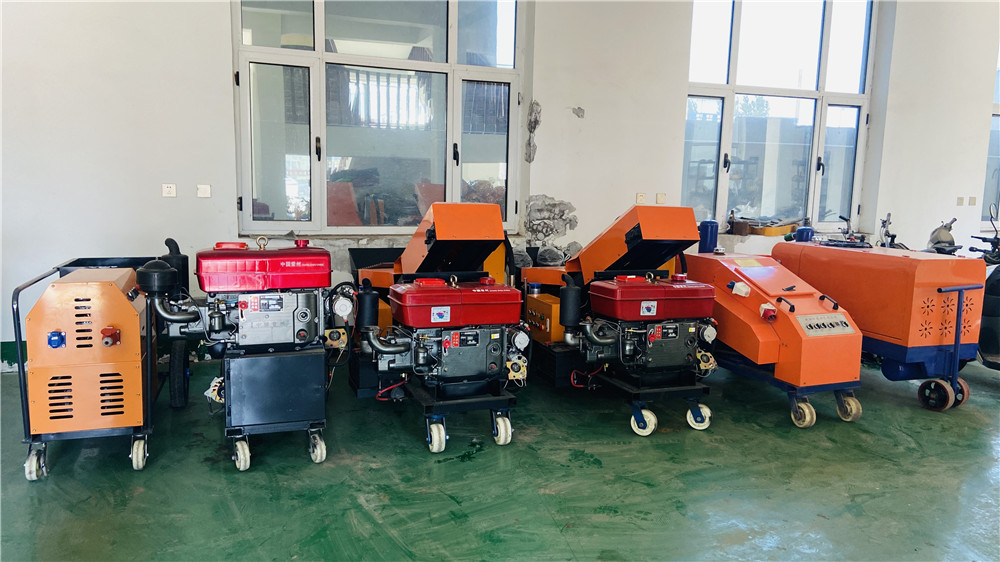
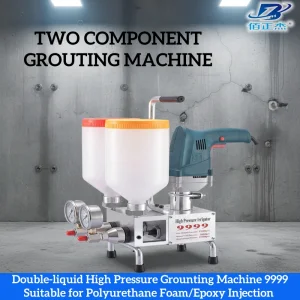
SSG's dual-liquid high-pressure grouting systems are precisely engineered to meet the demanding requirements of projects like the Rogfast and Ryfast subsea links, ensuring rapid water shut-off in sub-zero working temperatures.
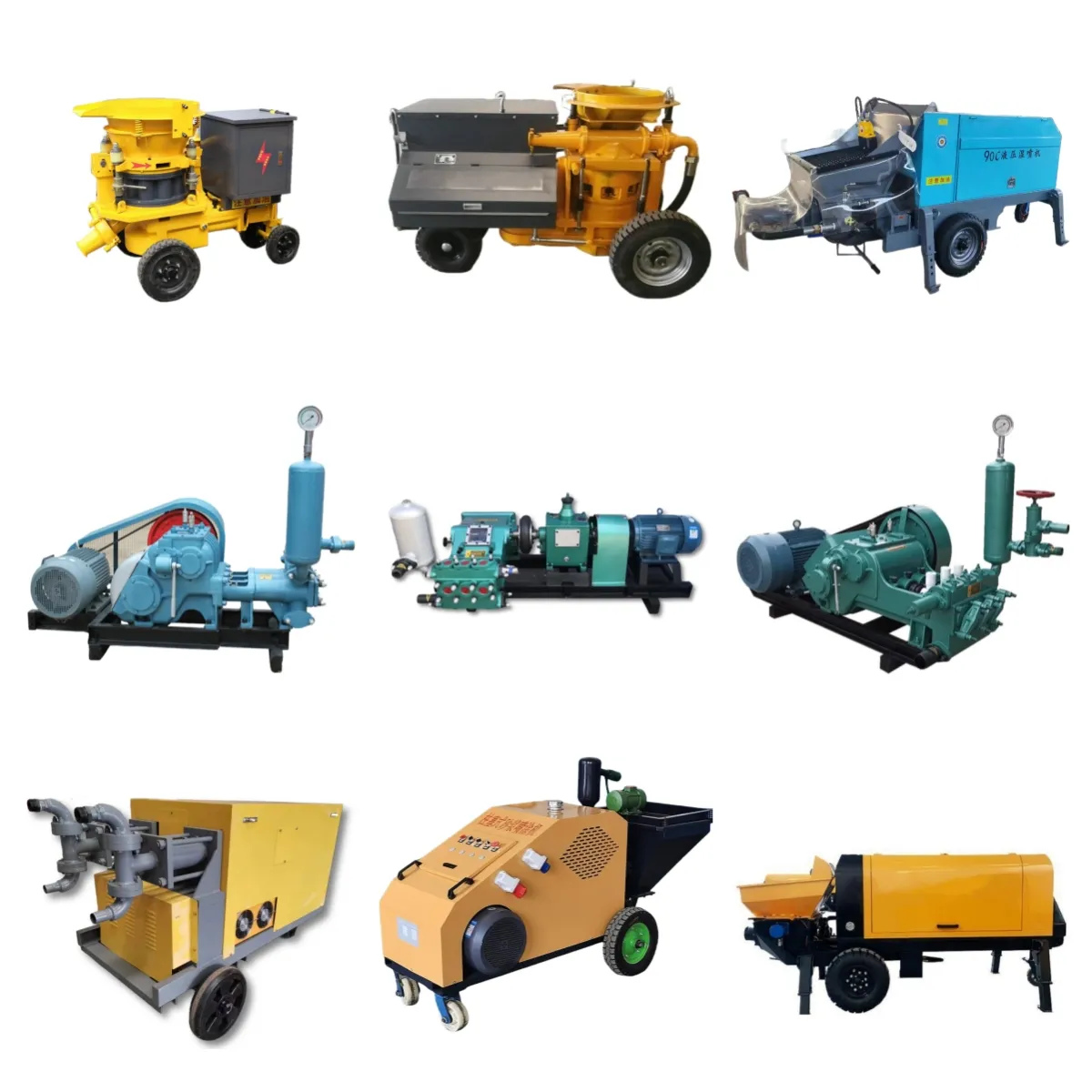
A globally trusted professional manufacturer specializing in the research, development, production, and sales of high-tier construction and engineering machinery.
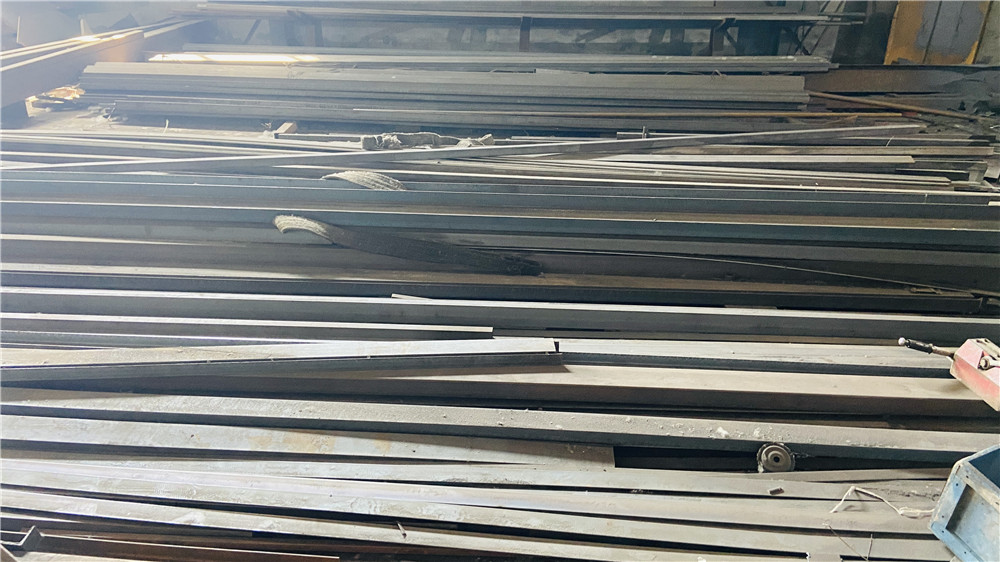
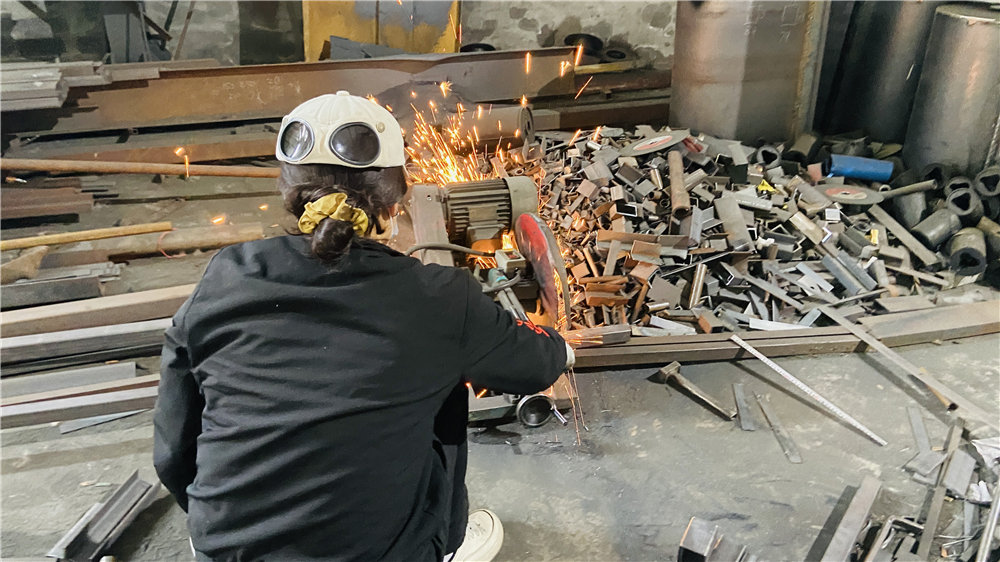
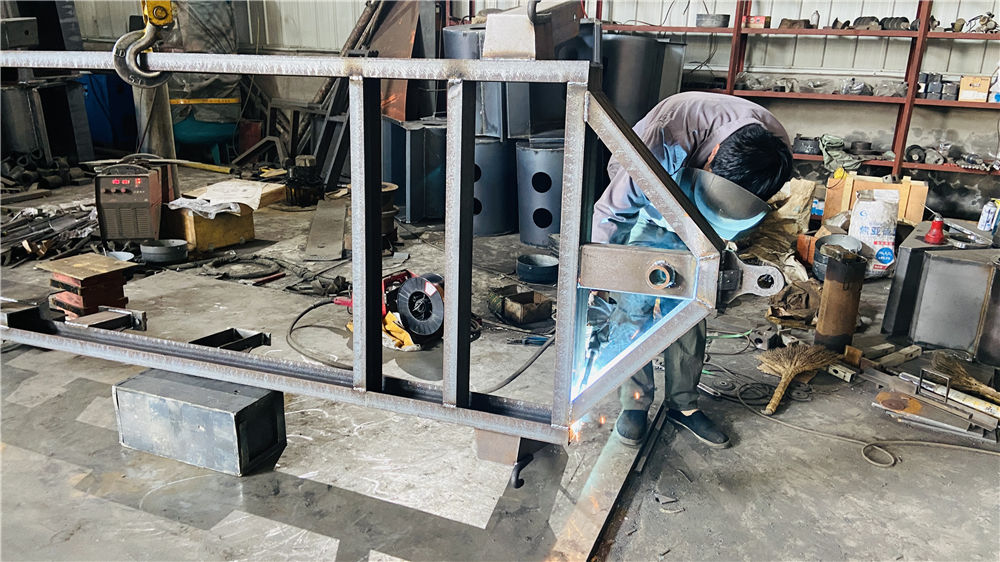
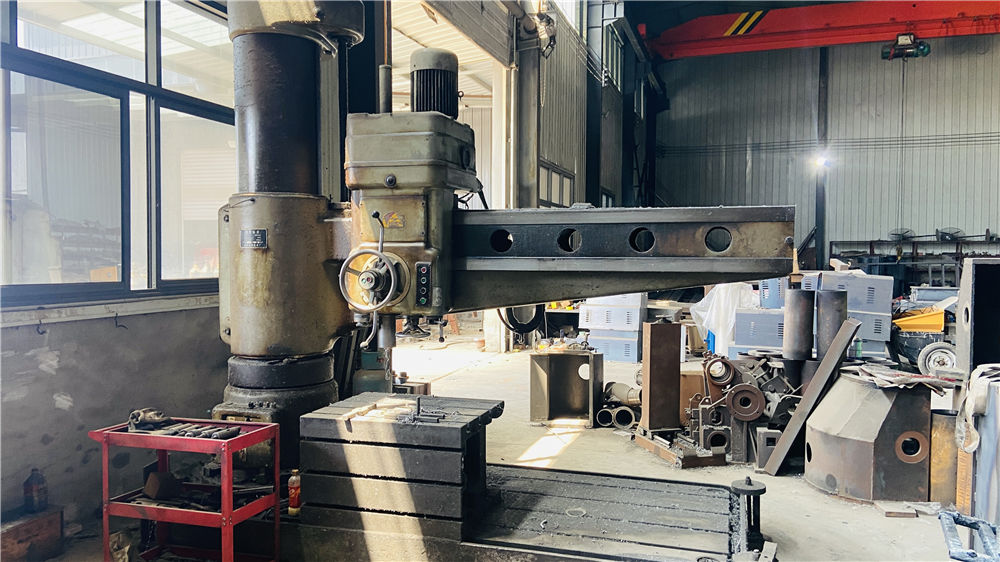
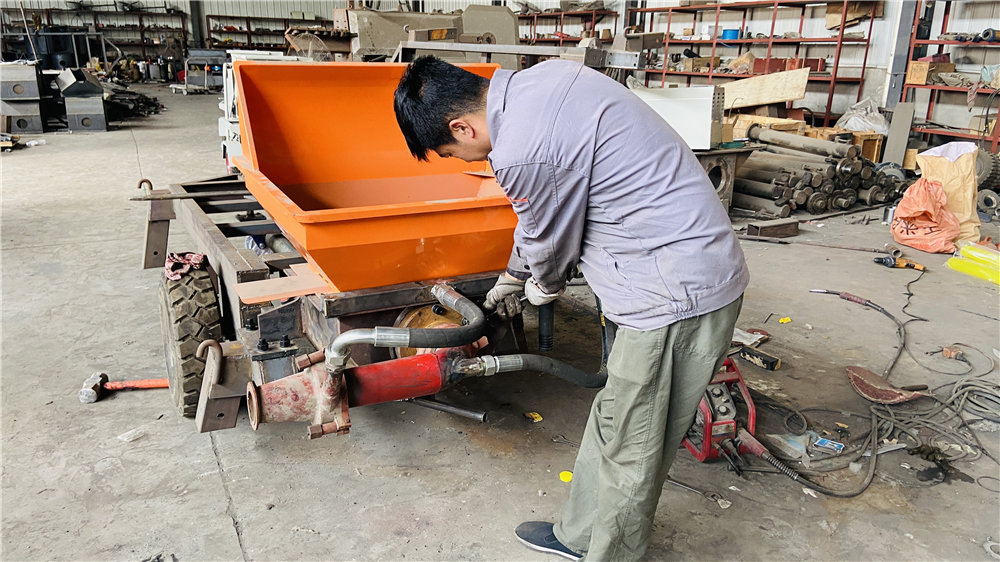
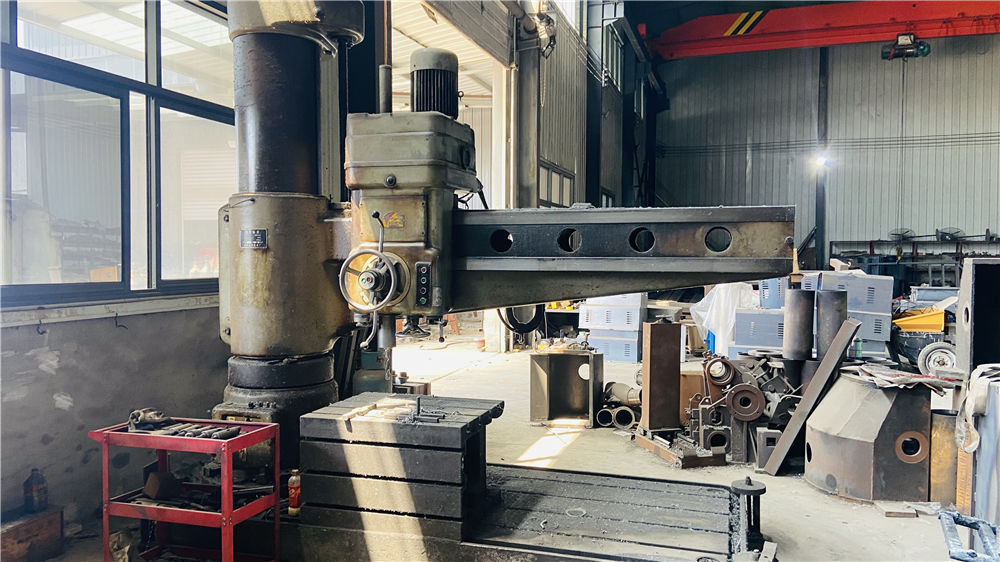
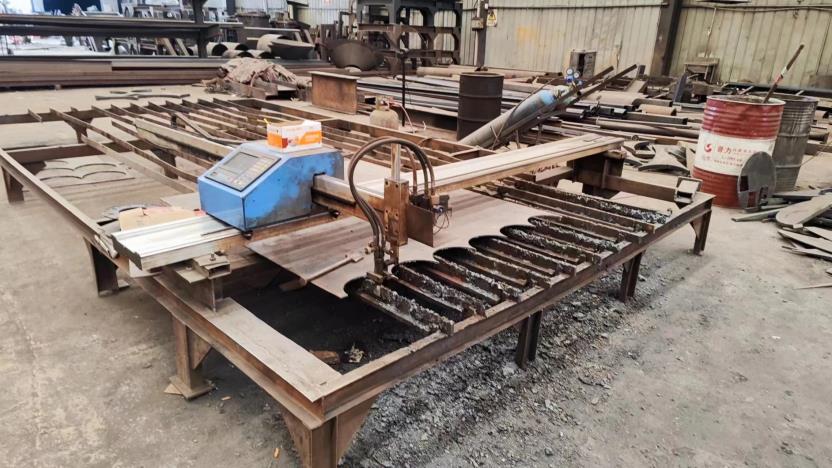
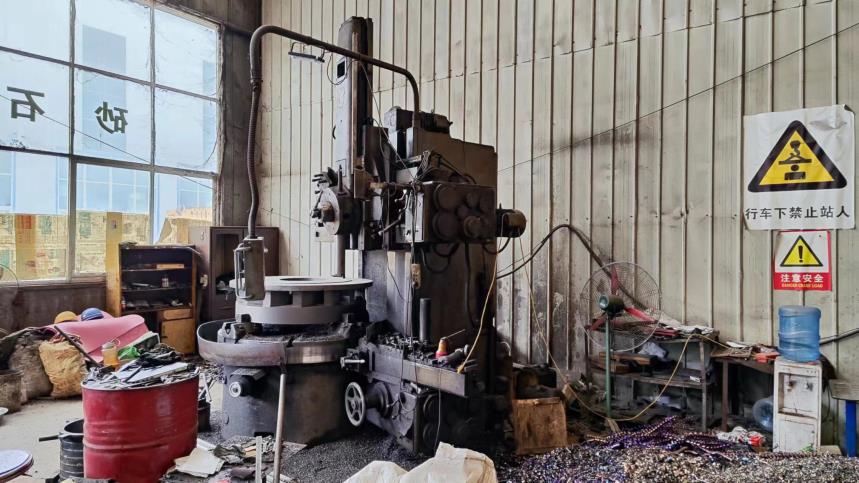
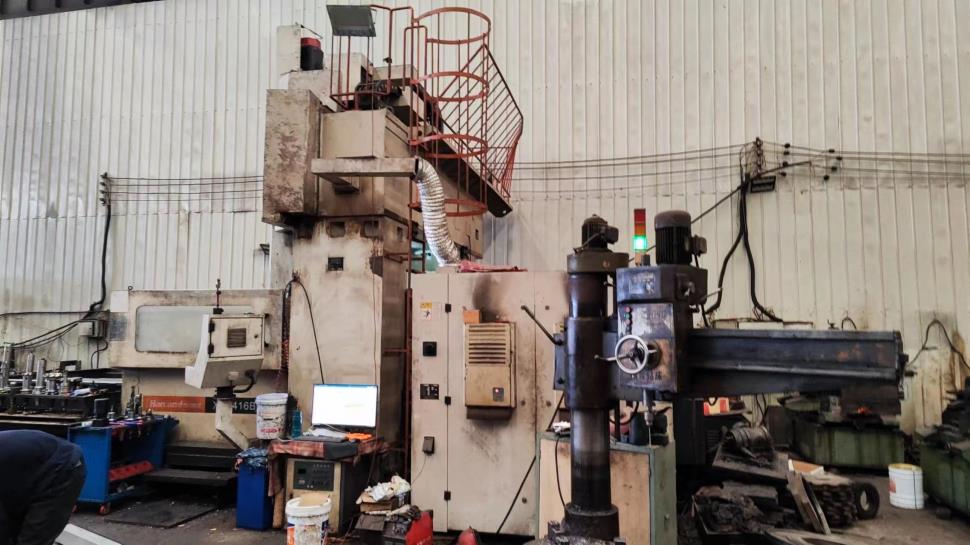
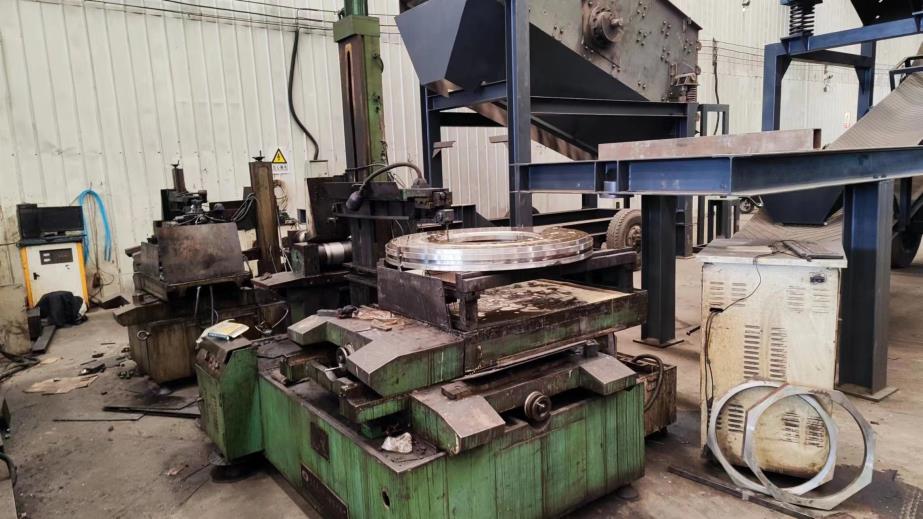
Located in Zhengzhou City, Henan Province, China, SSG Machinery enjoys a strategic geographical location and a convenient transportation network, enabling efficient delivery and professional technical service to domestic and international markets. The company operates a modern production facility and warehouse center equipped with advanced manufacturing equipment, strict quality control systems, and professional testing instruments to ensure reliable, high-performance machinery.
Our engineering and technical staff possess extensive industry expertise and continuously focus on product innovation, technological improvement, and customized geotechnical solutions to meet the diverse requirements of Norwegian contractors and international enterprises. Over the years, SSG Machinery has developed into a trusted supplier, earning an excellent reputation for build quality, competitive pricing, and professional after-sales service.
Why Cement + Waterglass dual-component injection is superior for high-velocity water ingress and rock fracture sealing.
By blending cement with sodium silicate at the injection nozzle, gel times can be accurately controlled from 10 seconds to several minutes, preventing dilution by fast-flowing subterranean water currents.
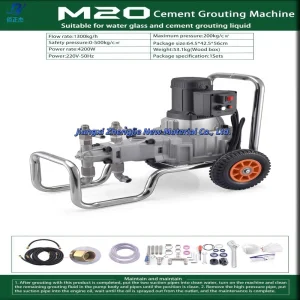
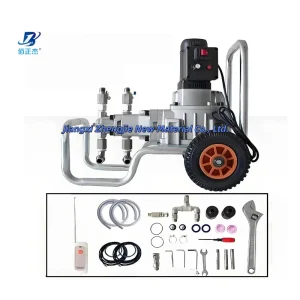
SSG's double-acting positive displacement pumps isolate components A and B inside independent chambers, assuring perfect 1:1 volumetric ratio stability even under high pressures.
Engineered with hard-chrome plated cylinder linings and chemically resistant seals to resist corrosive additives, alkaline waterglass, and highly abrasive microfine cement mixtures.
| Grouting Parameters | Single-Fluid Cement System | Dual-Liquid (Cement + Waterglass) System | Engineering Benefit |
|---|---|---|---|
| Initial Setting Time | 2 to 5 hours | 10 seconds to 3 minutes (Adjustable) | Stops heavy gushing water immediately |
| Washout Resistance | Low (slurry readily disperses in flowing water) | Extremely High (instant gelation resists wash-off) | Ideal for high-velocity fjord-undersea fissures |
| Penetration Range | Broad, difficult to confine | Highly controlled (confined targeted zone) | Reduces chemical consumption & environmental impact |
| Compressive Strength | Slow development (7-28 days) | Rapid early strength within 2 hours | Minimizes structural settling and construction downtime |
Geotechnical works in Norway operate under some of the most rigorous ecological guidelines in the world. The Norwegian Environment Agency (Miljødirektoratet) strictly regulates chemical discharges, particularly in projects traversing freshwater aquifers or marine environments near commercial fisheries.
SSG's high-pressure dual-liquid grouting systems allow operators to precisely regulate dosing ratios. High mixing efficiency guarantees that the injected sodium silicate is fully chemically bonded with the cement, preventing free silicates from leaching into surrounding subsoil water systems.
Leading the next generation of smart grouting with IoT sensors, automatic ratio balancing, and cloud monitoring integration.
Real-time pressure and flow logging sensors transmit key parameters directly to structural engineering software, satisfying the strict documentation requirements of Bane NOR and Statens vegvesen.
Dynamic automated adjustment valves ensure fluid consistency even during changes in raw microfine cement viscosity caused by shifting ambient winter temperatures.
Optimized hydraulic pressure curves avoid dangerous micro-fracturing of delicate surrounding shale or highly weathered crystalline rock while maintaining complete sealing coverage.
Direct technical feedback from SSG's senior engineering department on operating and optimizing high-pressure dual-liquid grouting systems.
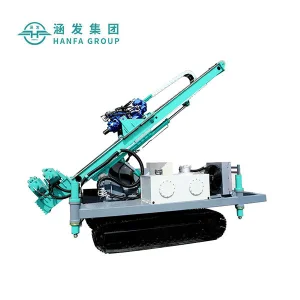
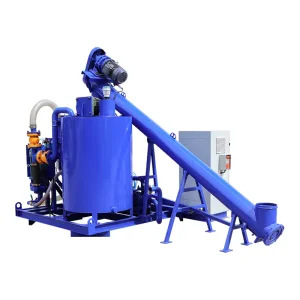
Explore our full array of professional, high-performance mixers, grouting rigs, and dual-liquid injection pumps designed to handle tough job site environments.
 SSG Machinery