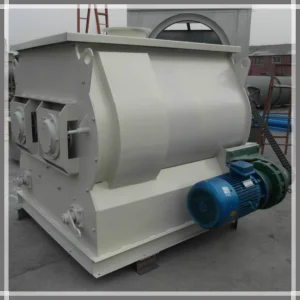
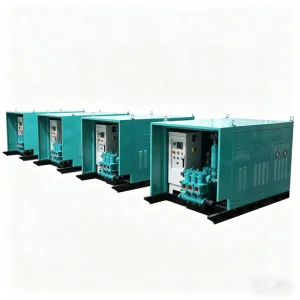
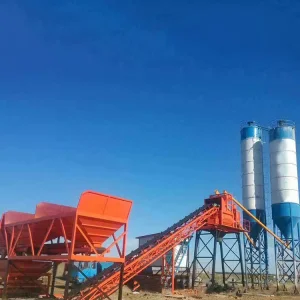
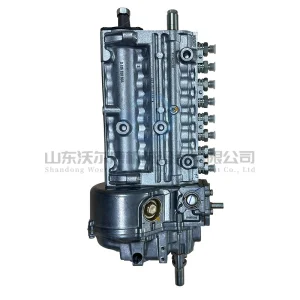
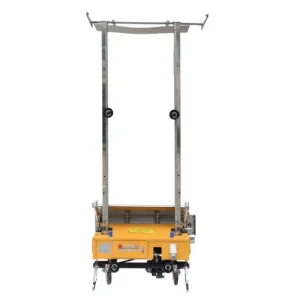
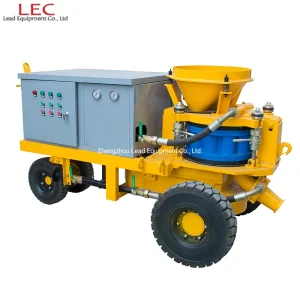
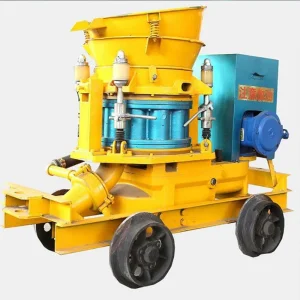
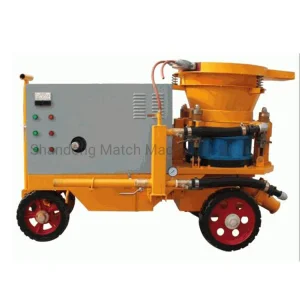
Explore our top-tier catalog of wet and dry shotcrete machinery, mixing plants, continuous powder blenders, and high-pressure hydraulic pumps engineered for underground mining, slope stabilization, and architectural construction.
Dry mix shotcrete—historically recognized in civil engineering fields as gunite—is a highly specialized pneumatic method of concrete application. The mechanical cycle begins with a dry, pre-dampened sand and cementitious composite loaded into a hopper. This dry material is fed via a rotor pocket system into a high-velocity air stream generated by a specialized compressor. The pressurized material travels through the conveying hose to the spray nozzle, where water and liquid accelerators are introduced under high pressure. The nozzleman controls the hydration at the point of exit, allowing the high-velocity jet to project the mixture onto the target substrate.
The physics of dry mix shotcrete rely entirely on the momentum of the aggregate impact to compact the mixture. Compared to wet mix systems, dry mix equipment permits longer horizontal and vertical conveying distances, immediate adjustment of water-cement ratios at the nozzle, and simpler clean-up protocols. However, this process places significant operational stress on wear components. High-precision alignment of rubber sealing plates and metal rotor disks is paramount. A microscopic gap in the sealing interface causes instant drop-offs in conveying pressure, increasing dust emission and aggregate rebound.
By keeping the hydration point at the nozzle, dry mix shotcrete machines eliminate the risk of premature concrete setting within the hose lines. This feature makes dry mix the preferred system for operations characterized by intermittent spraying schedules, high conveying distances, or localized structural applications.
Henan SSG Machinery Co., Ltd. is a professional manufacturer specializing in the research, development, production, and sales of construction and engineering machinery. Since its establishment, the company has been committed to providing high-quality equipment and comprehensive solutions for customers worldwide.
Located in Zhengzhou City, Henan Province, China, SSG Machinery enjoys a strategic geographical location and convenient transportation network, enabling efficient delivery and service to domestic and international markets. The company operates a modern production facility and warehouse center equipped with advanced manufacturing equipment, strict quality control systems, and professional testing instruments to ensure reliable product performance.
The company currently employs a team of experienced engineers, technicians, and skilled workers. Our technical staff possesses extensive industry expertise and continuously focuses on product innovation, technological improvement, and customized solutions to meet the diverse requirements of customers in different industries. Over the years, SSG Machinery has developed into a trusted supplier of construction machinery and engineering equipment, earning an excellent reputation for product quality, competitive pricing, and professional after-sales service.
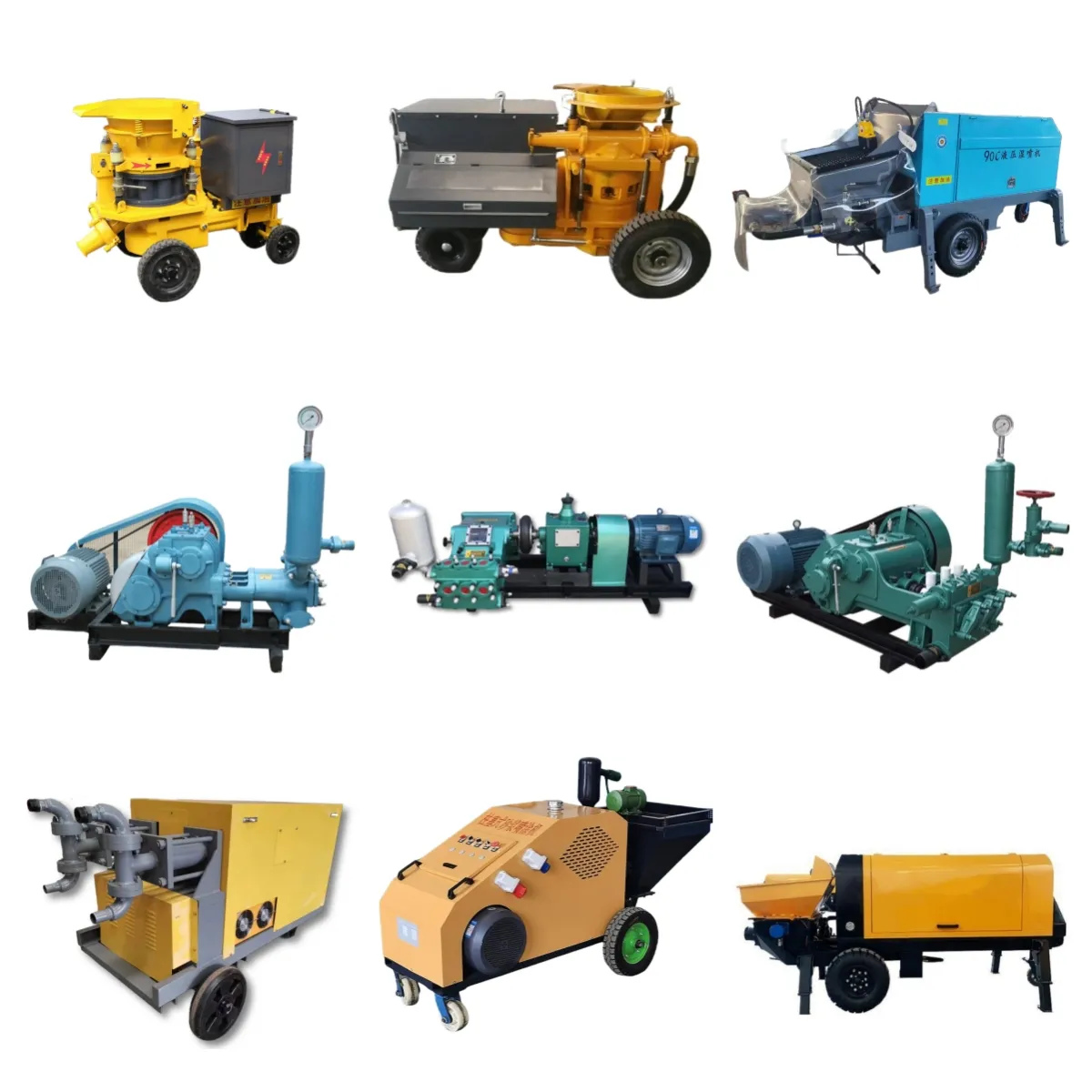
Innovation is one of the core driving forces behind SSG Machinery's growth. We continuously invest in research and development to improve product performance, energy efficiency, operational safety, and intelligent control systems. Our engineering team works closely with customers to develop customized equipment solutions based on specific project requirements, ensuring maximum efficiency and practical value.
By leveraging advanced computational fluid dynamics (CFD) modeling, our engineers analyze the pneumatic flow behavior of cementitious mixes inside dry mix rotors. This research has yielded specialized rotor structures that reduce inner turbulence and friction, leading to a 25% reduction in dust production and a 15% reduction in motor energy demands. Furthermore, SSG Machinery’s development of proprietary polyurethane seal formulations has extended the wear cycles of our sealing gaskets, minimizing downtime in remote mining locations.
From raw steel plates to field-tested heavy machinery, explore the manufacturing stages behind our durable engineering solutions.
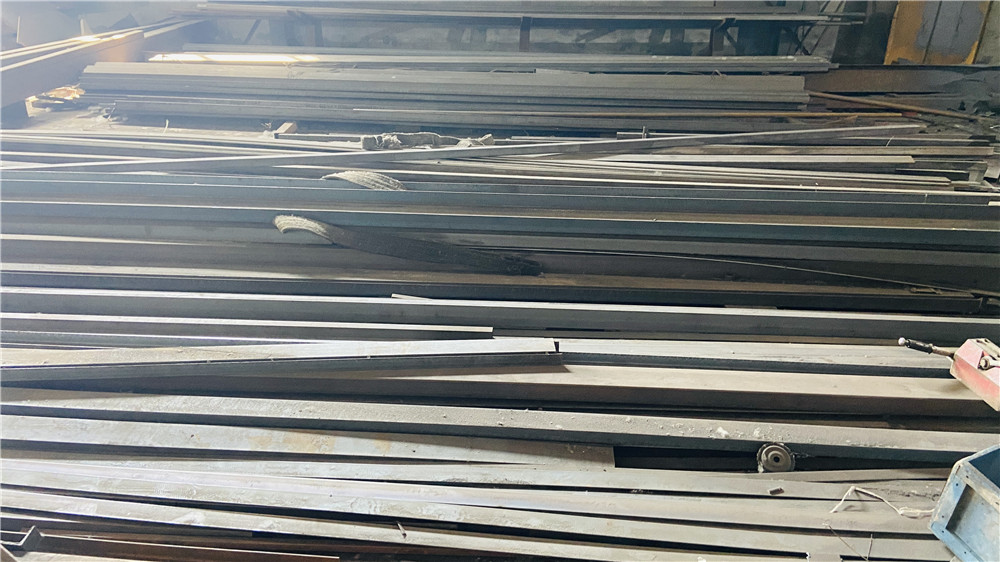
Quality assurance starts with our raw material selection. We source high-grade structural carbon steels, specialized high-chromium anti-wear alloys, and premium wear-resistant rubber components. Every batch undergoes mechanical tension testing, metallurgical profiling, and ultrasonic testing to rule out structural micro-voids prior to machining.
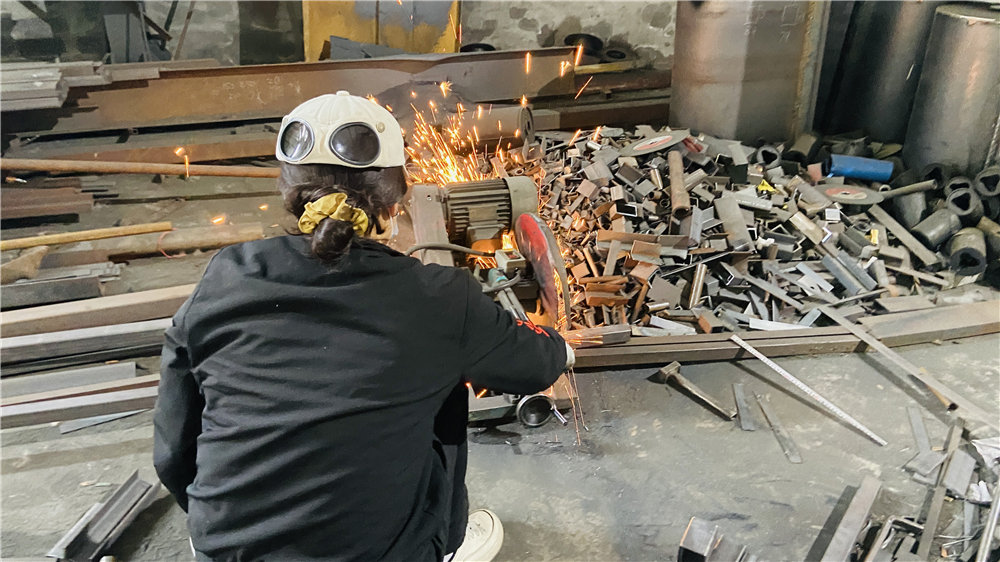
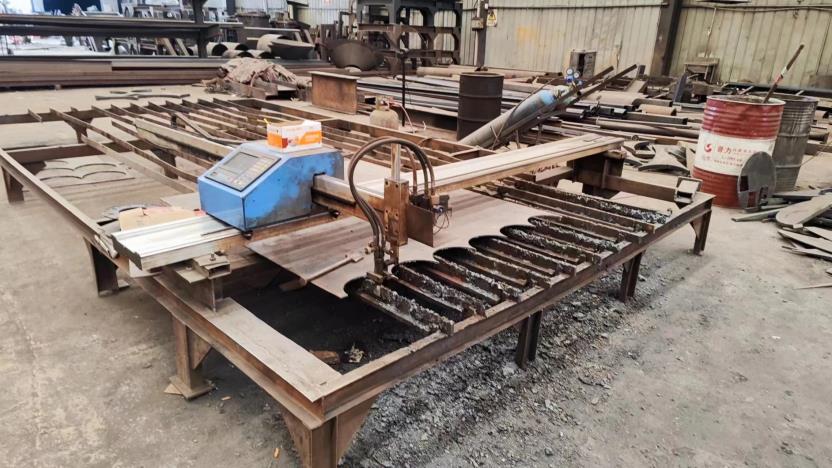
High-capacity automated laser and plasma cutting systems transform massive structural steel sheets into high-precision component blanks. By utilizing modern CAD integration, we hold nesting tolerances to within ±0.2mm. This precision limits excess welding gap variation, preventing heat distortion in later assembly phases.
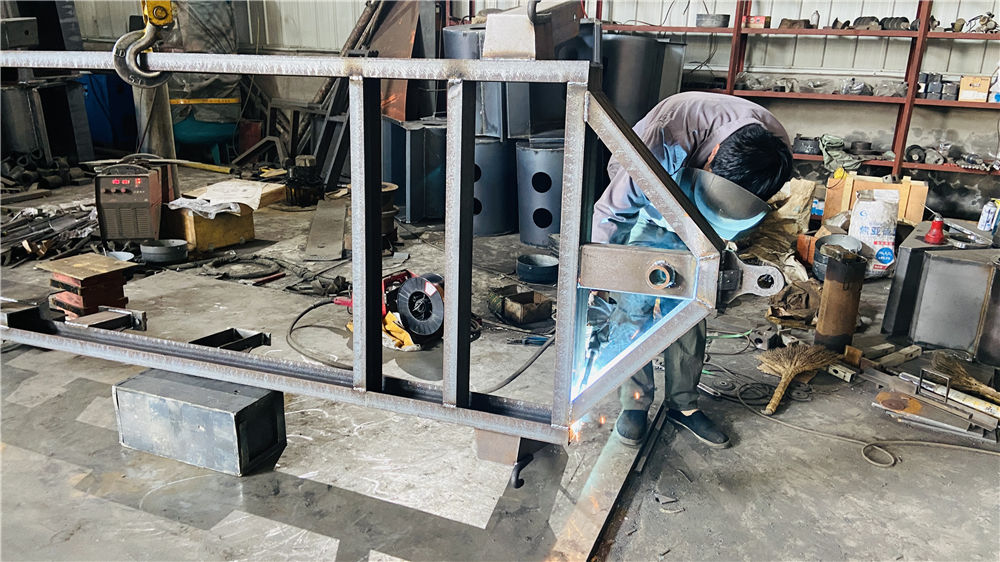
Our pressure-retaining structural frames and chassis components are fabricated by certified robotic welding systems alongside veteran manual welders. Every structural joint is stress-relieved and subject to magnetic particle testing (MPT) or dye penetrant inspection (DPI) to ensure continuous strength under vibration-heavy mining environments.
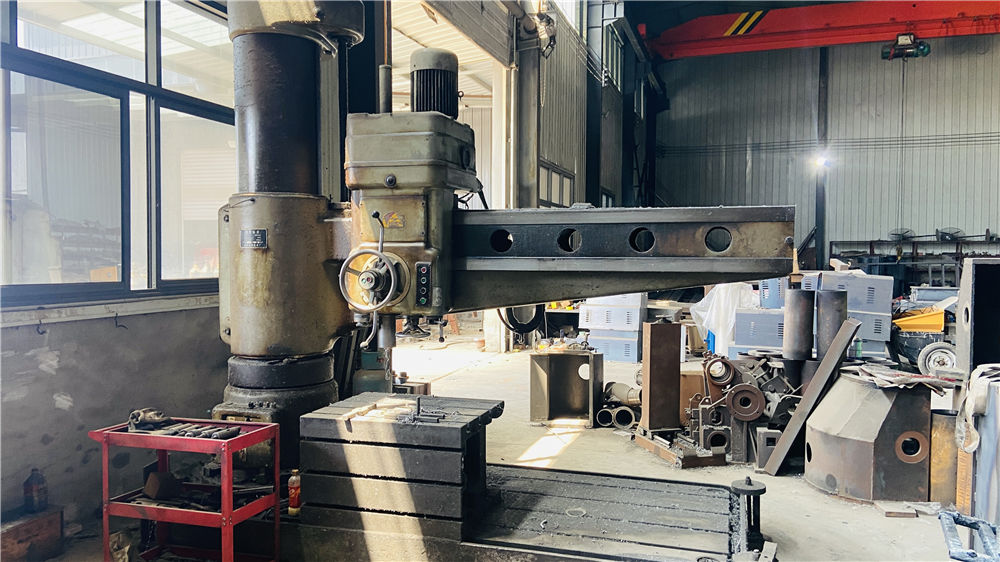
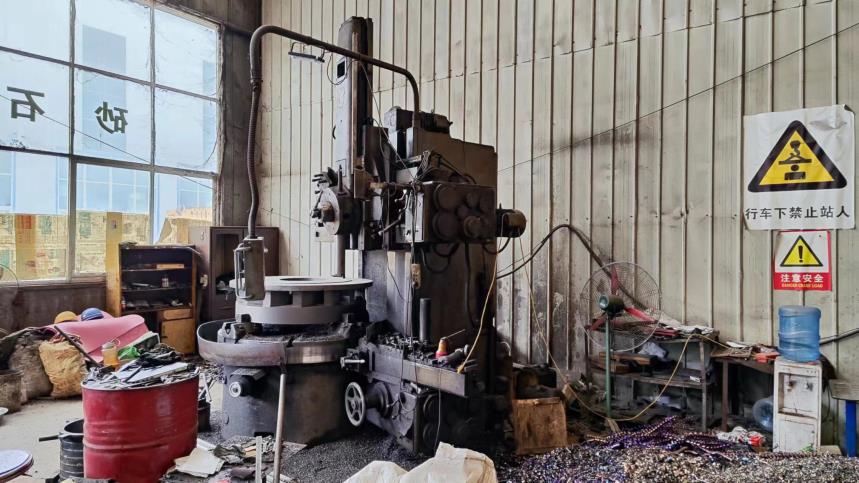
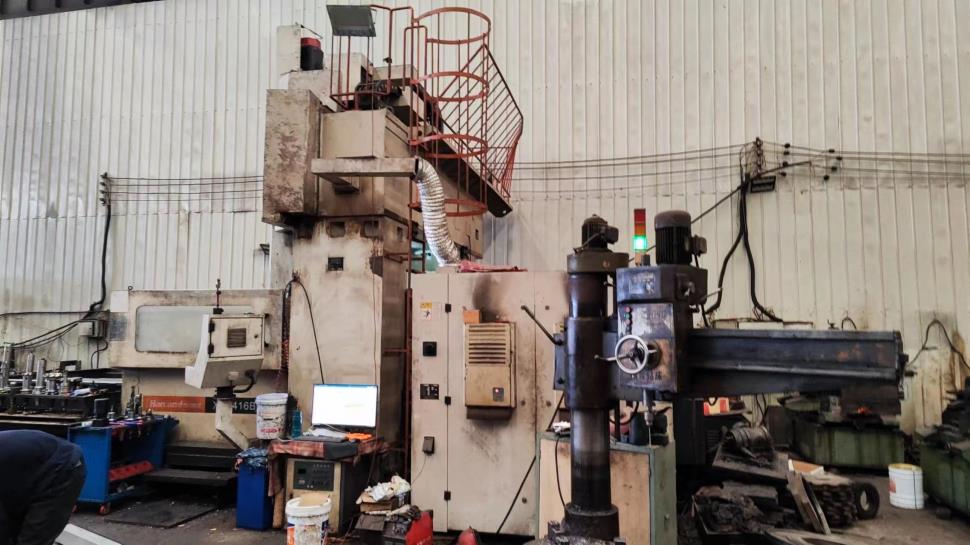
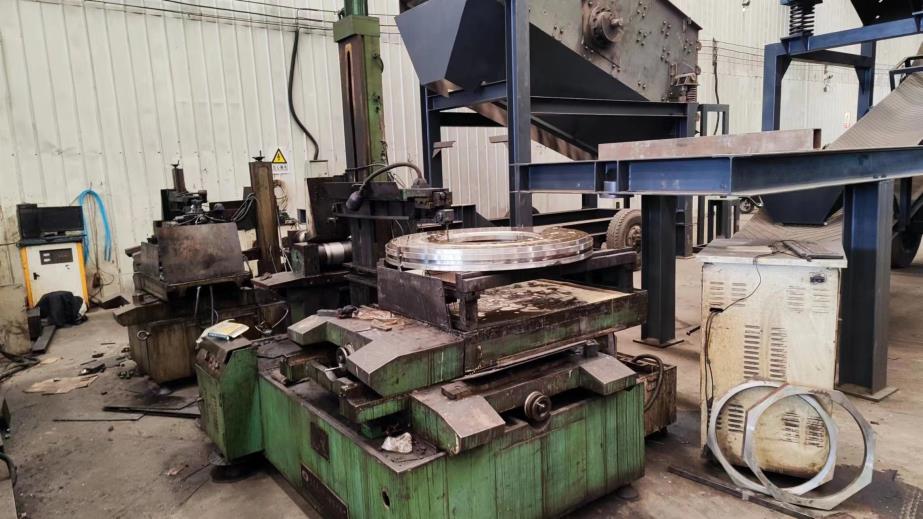
Rotor housings, sealing faces, and shaft alignments undergo fine machining using multi-axis CNC systems, vertical lathes, and heavy boring mills. Ensuring extreme surface flatness is critical for dry-mix sealing interfaces. Our machined tolerances prevent high-pressure pneumatic leaks during operation.
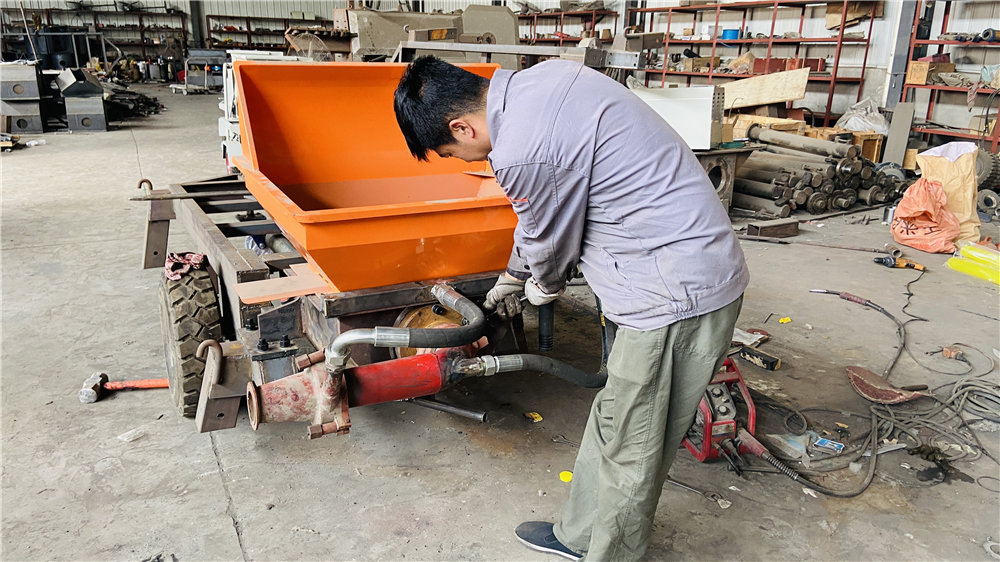
During assembly, we integrate precision pneumatic linkages, wear-resistant steel rotor plates, specialized sealing plates, and heavy-duty gearboxes. Electrical wiring is routed through explosion-proof conduits (crucial for mining environments). All hydraulic circuits undergo dynamic multi-point pressure flushes.
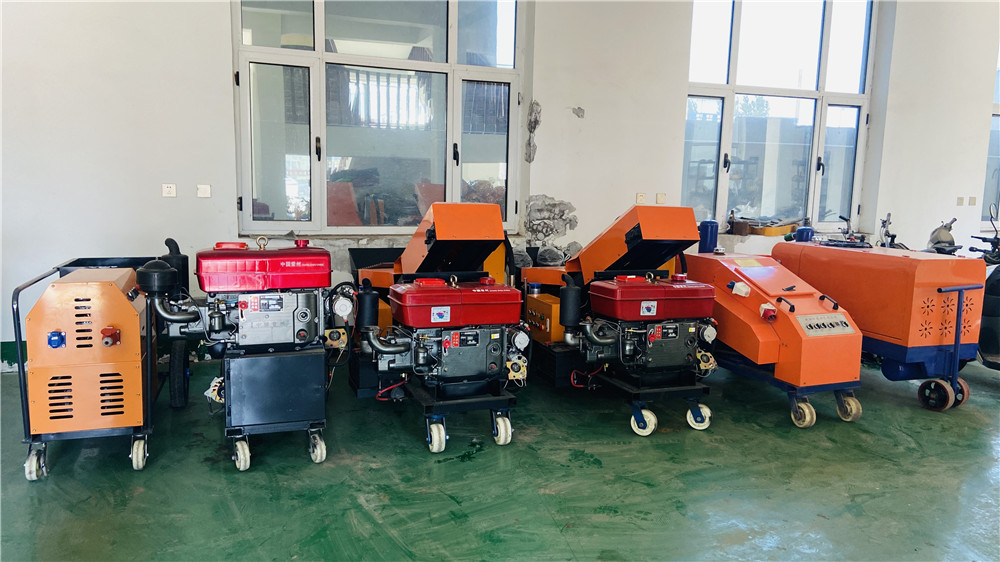
Every dry mix shotcrete machine, concrete mixer, and grouting pump undergoes a comprehensive continuous run-test. Testing mimics extreme field situations: high conveying load simulations, long-duration motor temperature analysis, electrical insulation testing, and flow stabilization measurements.
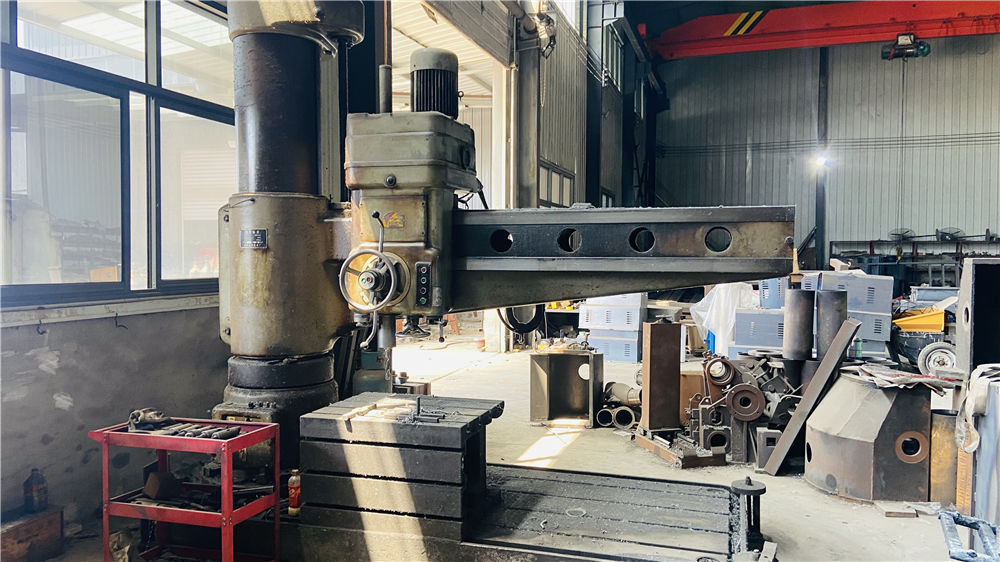
Our facility houses high-precision machining systems that enable us to manufacture durable engineering equipment with tight tolerances.
Quality is the foundation of our business. Every product undergoes strict inspection and testing procedures before delivery. Our products are manufactured in compliance with international quality standards and have obtained certifications such as:
Through continuous quality improvement and process optimization, we strive to deliver machinery that exceeds customer expectations. Our QA lab tests physical hardness levels, hydraulic oil seals under extreme pressure loads, and electrical system shielding to minimize RF interference in automated tunneling environments.
Customer satisfaction is our top priority. We provide comprehensive technical services designed to maintain machine performance and minimize down-time at job sites:
Sourcing dry mix shotcrete machinery from Zhengzhou, China, provides distinct advantages for global procurement teams. Zhengzhou functions as an industrial hub for high-capacity civil engineering, mining machinery, and industrial control equipment. The local manufacturing cluster provides:
Dry mix shotcreting systems are highly versatile, finding use in key industrial applications worldwide:
For corporate procurement officers, the initial purchase price of a dry-mix shotcrete machine is only one component of the Total Cost of Ownership (TCO). Procurement teams must evaluate:
The concrete spraying industry is moving toward automated, eco-friendly technologies. Key trends include:
Find technical answers on dry mix shotcrete machine operations, maintenance, sourcing, and optimization.
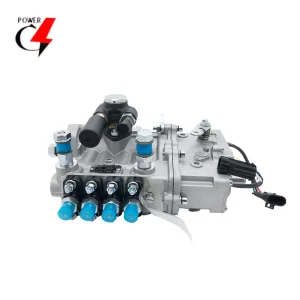
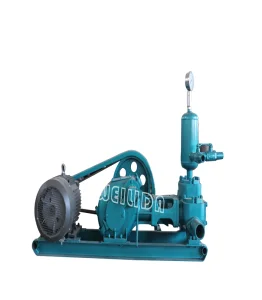
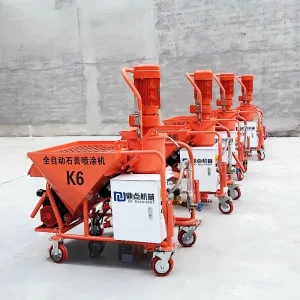
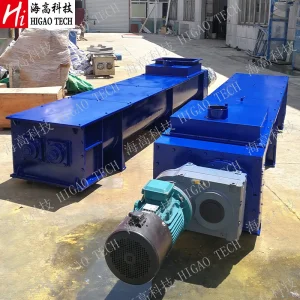
Browse our high-pressure grout delivery pumps, mechanical mixers, automatic plasterers, and heavy-duty dry/wet shotcreting systems.
 SSG Machinery