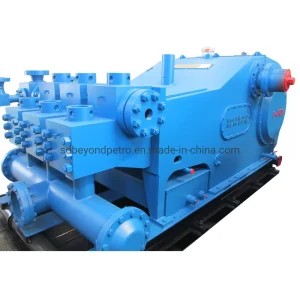
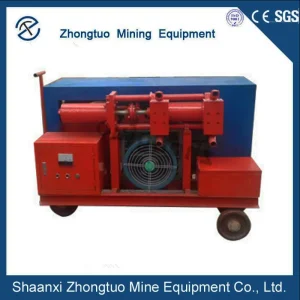
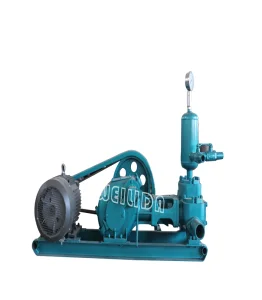
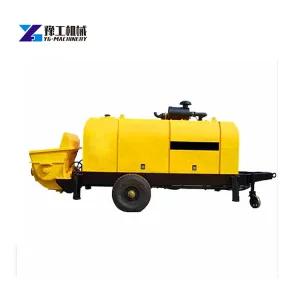
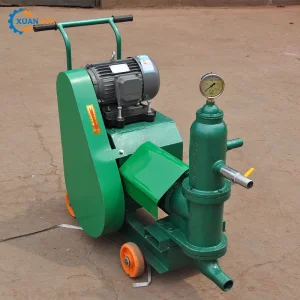
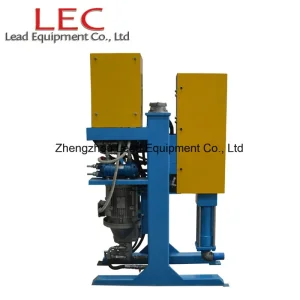
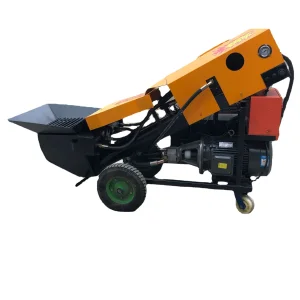
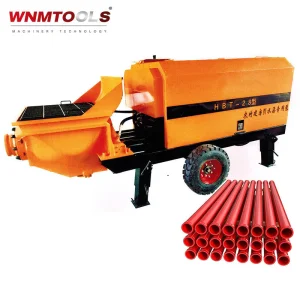
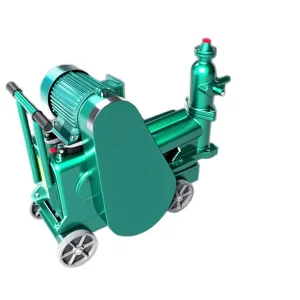
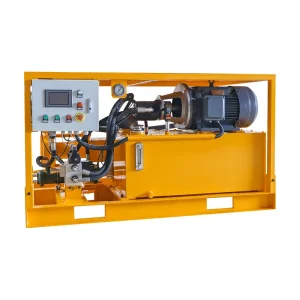
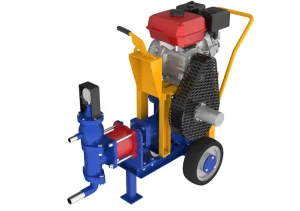
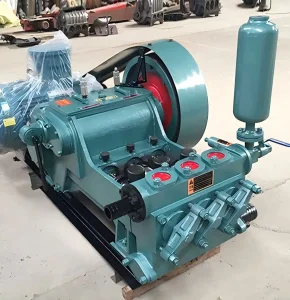
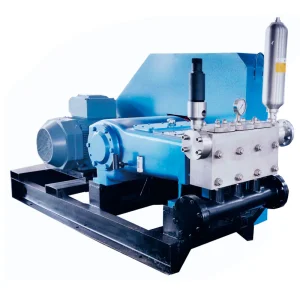
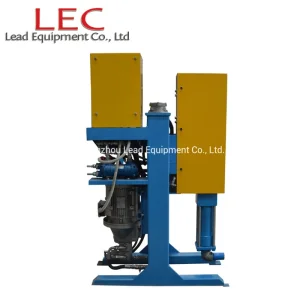
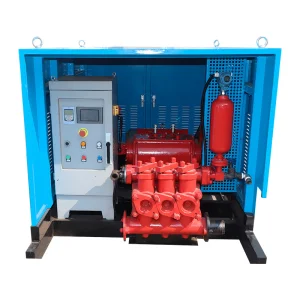
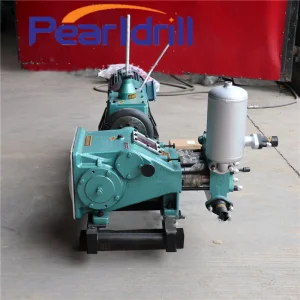
High-performance piston and slurry grouting systems optimized for the highly demanding New York deep-foundation and subway transit renovation projects.
Delivering robust subsurface technology backed by global certifications and rigorous laboratory testing.
The New York metropolitan area represents one of the most complex geostructural environments in the world. Characterized by a highly varied geological profile—ranging from the dense, high-bearing Manhattan Schist in Midtown to the unconsolidated glaciofluvial sands, soft organic clays, and artificial fills of Brooklyn, Queens, and the waterfront districts—the region demands advanced structural foundation reinforcement and subterranean stabilization techniques. For modern construction, public transit rehabilitation, and coastal resilience upgrades, high-pressure reciprocating piston grouting pumps have emerged as indispensable technological assets.
From the perspective of advanced geotechnical engineering, piston-driven grout injection utilizes volumetric positive displacement to force cementitious, bentonitic, or chemical slurries into soil voids, fractured rock masses, and decaying masonry structures. Unlike centrifugal or screw-type pumps, which suffer major efficiency losses under rising pressure heads, piston pumps maintain a highly consistent flow rate across a broad range of pressures. This quality is crucial in urban environments like New York, where excessive localized pressure can cause catastrophic heave of adjacent pavements, underground utility conduits, or historic foundations, while insufficient pressure fails to achieve the required soil shear strength and void-fill compaction.
Geotechnical Insight: High-pressure compaction and jet grouting projects in Manhattan require absolute control over pressure profiles to protect adjacent 100-year-old structures. Volumetric positive displacement through dual-cylinder piston pumps provides the micro-precision needed to ensure structural safety and regulatory compliance.
In New York's competitive heavy civil construction sector, the demand for robust grout injection solutions is driven by two primary macroeconomic forces: public infrastructure modernization and private vertical expansion. Under the influence of the Infrastructure Investment and Jobs Act (IIJA), billions of dollars are actively allocated to renovate the Metropolitan Transportation Authority (MTA) subway tunnels, underwater tube systems, and regional rail pathways (such as the Gateway Program). Many of these subterranean transit assets have exceeded their centennial lifespans, suffering from persistent water ingress, structural spalling, and subgrade erosion. Piston grouting pumps are the frontline defenses utilized to inject hydrophobic resins and high-early-strength microfine cement grouts to seal cracks and consolidate loose soils behind old brick-arch and concrete tunnel liners.
Simultaneously, the private real estate market in New York City continues to push the boundaries of skyscraper design. Constructing slender, ultra-tall high-rises on narrow footprints in Manhattan requires exceptionally deep and secure foundations. Developers must anchor heavy structural steel columns directly into the Manhattan Schist, necessitating deep rock socket drilling, rock-bolt anchoring, and subsequent high-pressure grout consolidation. In coastal regions such as Long Island City, Williamsburg, and the Financial District, low-elevation projects must combat high water tables and tidally influenced soils. Here, piston-driven compaction grouting creates impermeable underground grout curtains and stable structural columns to prevent soil liquefaction and lateral migration during excavation.
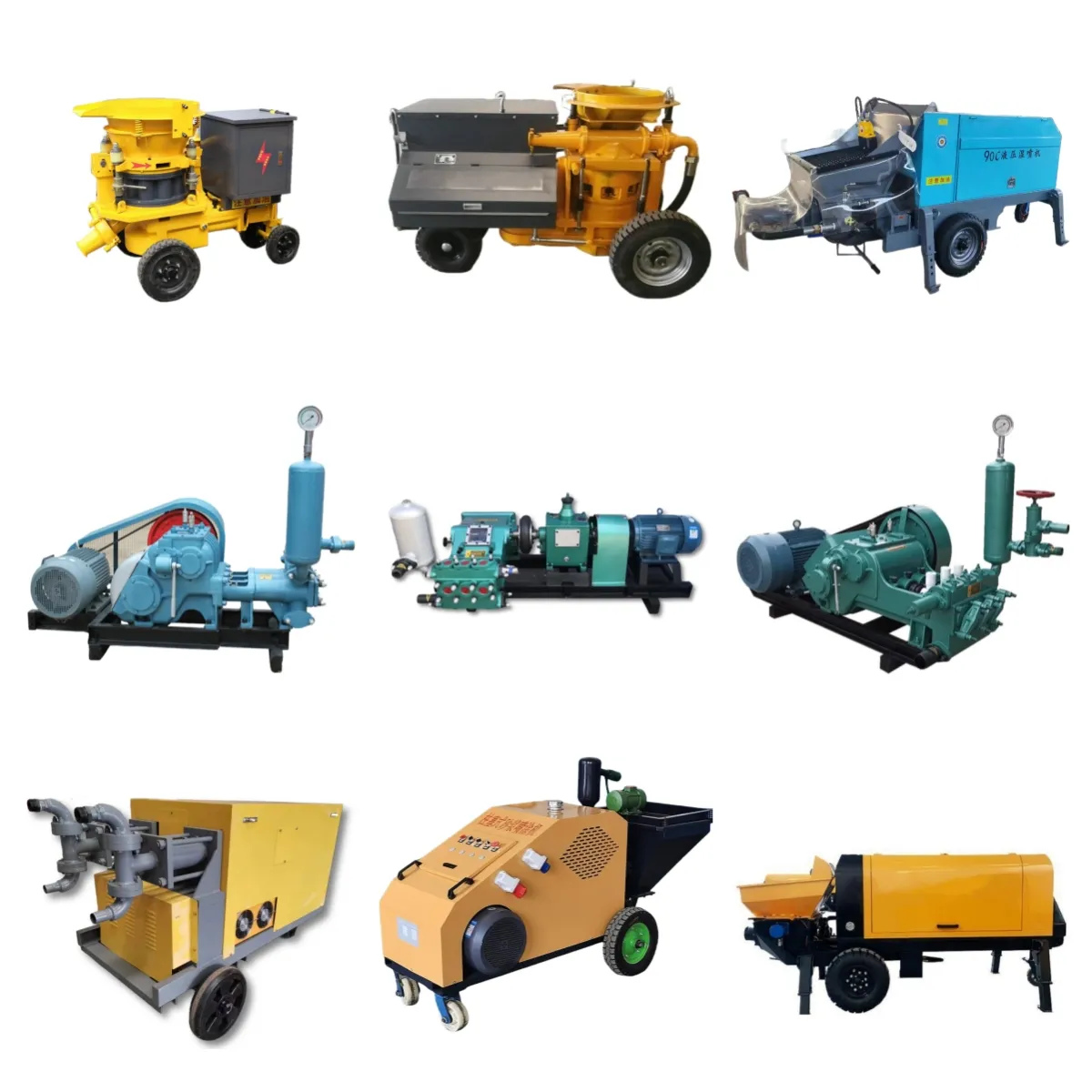
The mechanical efficiency of a piston grouting pump lies in its design paradigm. Unlike rotary or screw-displacement systems that experience high component wear when handling abrasive cementitious aggregates, modern piston pumps utilize hardened reciprocating cylinders. These cylinders are driven by either direct mechanical linkages, pneumatic air pressure, or heavy-duty hydraulic power packs. The hydraulic double-piston design is the industry standard for high-pressure, continuous-duty operations. It features alternate stroke patterns where one piston draws in raw grout material while the opposing piston forces the slurry out through a check valve system, ensuring a virtually pulse-free flow.
For high-viscosity applications, such as sand-cement mortars or bentonitic drilling muds, horizontal double-cylinder mud pumps (e.g., the BW series) utilize double-acting mechanics. This means grout is displaced on both the forward and backward strokes, doubling the volumetric output without requiring a larger physical footprint. When dealing with abrasive slurries, the selection of piston seals, cylinder liners, and valve seats becomes critical. Premium manufacturers utilize high-chromium alloys and polyurethane seals designed to withstand hundreds of operating hours under continuous exposure to quartz sand, microfine cement, and highly alkaline chemical additives.
| Pump Classification | Drive Mechanism | Max Pressure Capacity (MPa) | Max Output Flow (L/min) | Ideal Subgrade Applications |
|---|---|---|---|---|
| Horizontal Double-Cylinder | Mechanical / Diesel | 1.5 - 10.0 MPa | 80 - 500 L/min | High-volume mud drilling, dam foundation consolidation |
| Hydraulic Double-Piston | Electro-Hydraulic | 8.0 - 20.0 MPa | 15 - 120 L/min | Underpinning, deep shaft compaction, high-pressure jetting |
| Pneumatic Piston Pump | Compressed Air | 0.5 - 4.5 MPa | 10 - 75 L/min | Hazardous environments, mining, restricted-space tunnel repair |
| Electric Compaction Pump | Electric AC Motor | 1.0 - 8.0 MPa | 30 - 150 L/min | Urban basement retrofitting, low-noise municipal projects |
Procuring heavy engineering equipment for civil construction projects in highly regulated markets like New York requires meticulous vetting. Procurement directors must look beyond the initial purchase price and perform comprehensive Life Cycle Cost (LCC) and Total Cost of Ownership (TCO) analyses. The reliability of a piston grouting pump on-site dictates the timeline of the entire excavation phase; a single day of downtime due to pump seal failure can cost general contractors tens of thousands of dollars in idling labor and penalization fees.
Key procurement checklist items for global engineering buyers include:
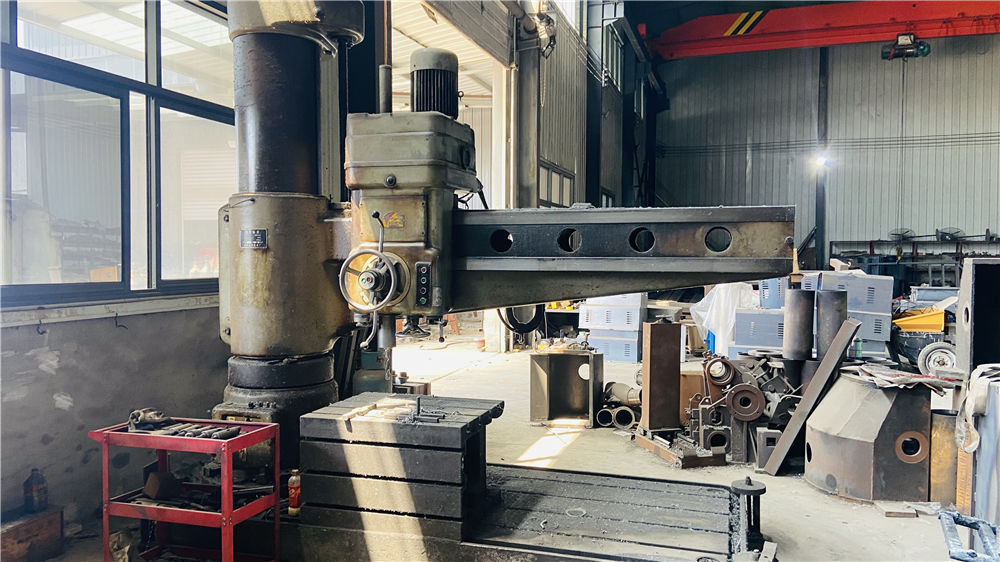
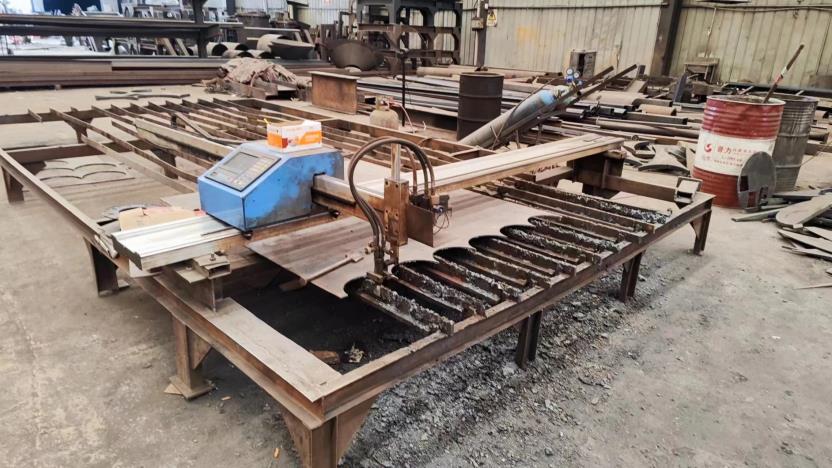
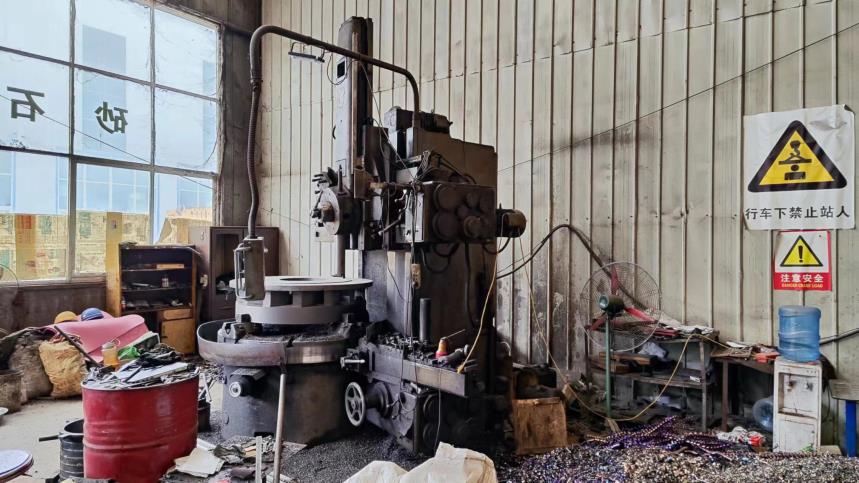
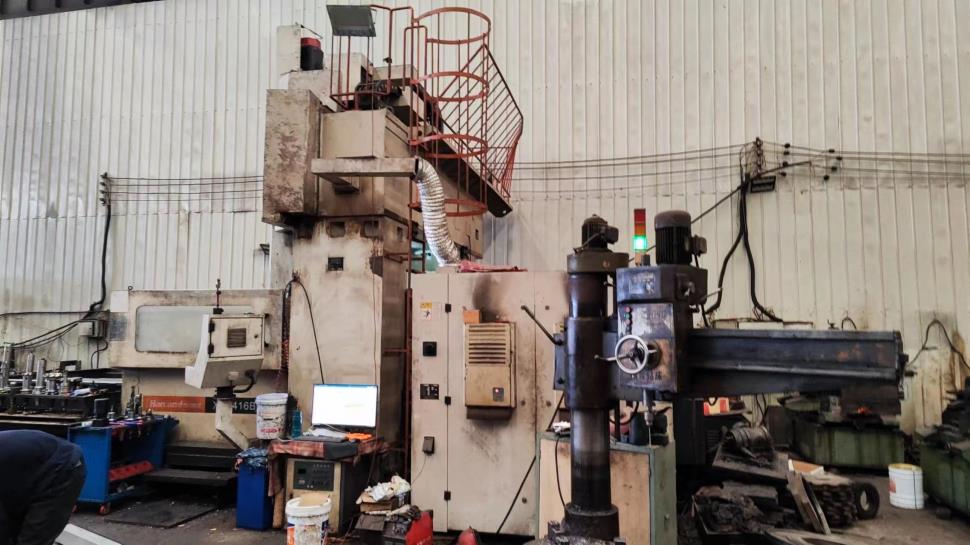
Henan SSG Machinery Co., Ltd. is a world-class manufacturing powerhouse specializing in the comprehensive research, development, production, and sales of high-performance construction and heavy civil engineering machinery. Established to meet the global demand for reliable, precision-engineered geological and structural grouting equipment, we have built an international reputation for superior engineering excellence, technological innovation, and outstanding service. Located in Zhengzhou City, Henan Province, China, our modern factory complex spans thousands of square meters, equipped with high-precision vertical lathes, automated cutting lines, and state-of-the-art radial drilling machinery.
Henan SSG Machinery's state-of-the-art assembly facility and expert production team.
Our multidisciplinary team of mechanical engineers and heavy machinery experts focuses tirelessly on improving pump hydraulics, reducing mechanical vibration, and integrating intelligent digital telemetry. This continuous focus on Research & Development ensures that SSG piston grouting pumps deliver unparalleled performance, fuel efficiency, and structural safety under the most extreme field conditions.
At Henan SSG Machinery Co., Ltd., quality is not just a standard; it is the foundation of our entire manufacturing process. From raw material sourcing to final dyno testing, each machine undergoes rigorous quality inspections. Our facilities strictly operate under the ISO 9001:2015 Quality Management System. Most of our equipment holds European Union CE certification, meeting the safety and performance criteria required for deployment on highly regulated construction sites throughout North America, Europe, and Asia.
Below is a visual walkthrough of our step-by-step manufacturing workflow, showing how our engineering division transforms raw steel plates into precision-honed high-pressure piston grouting machines.
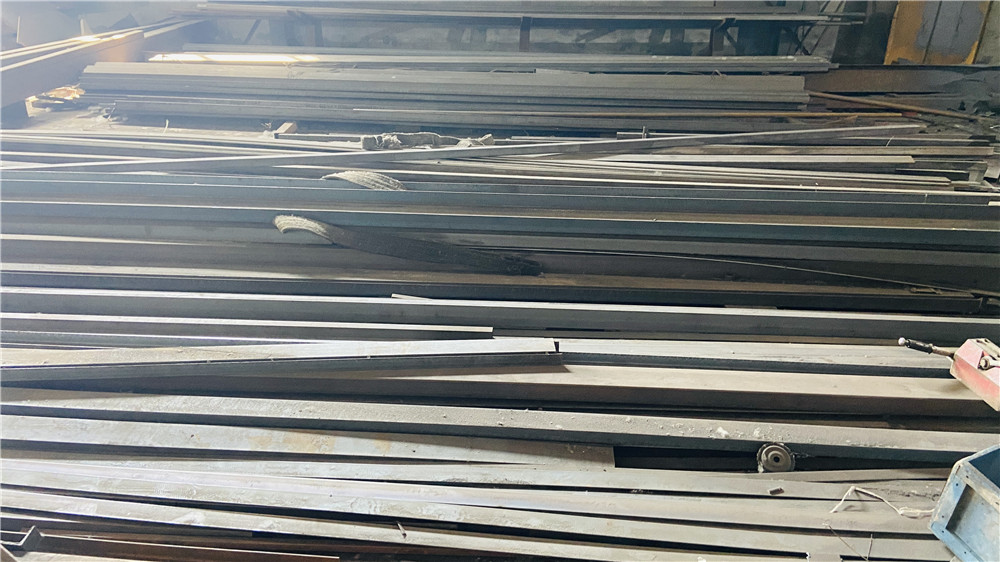
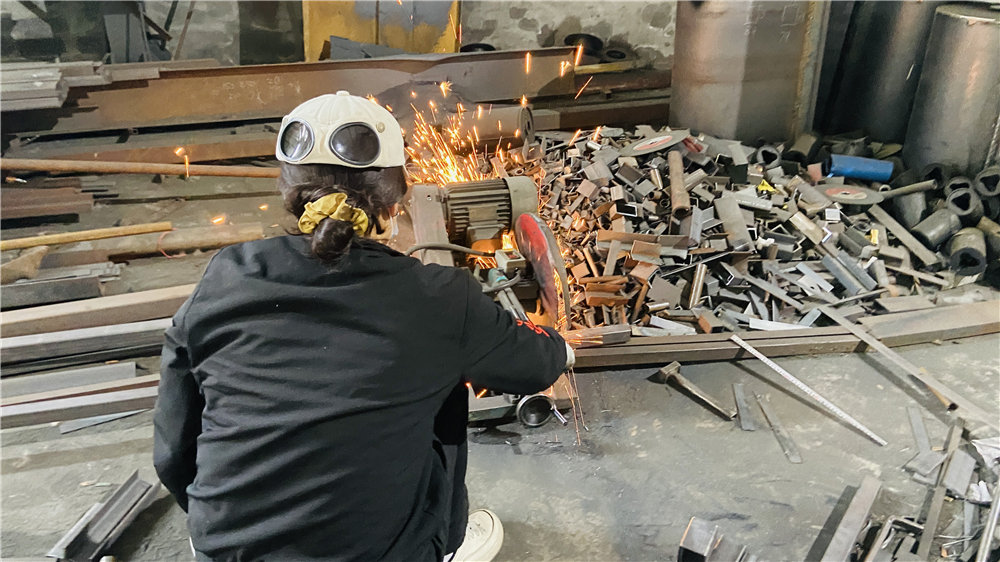
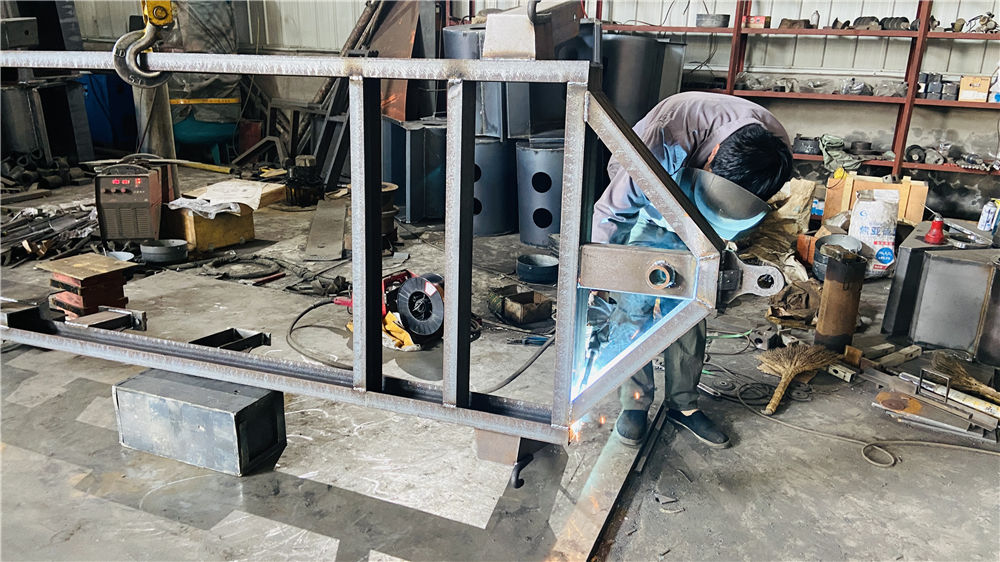
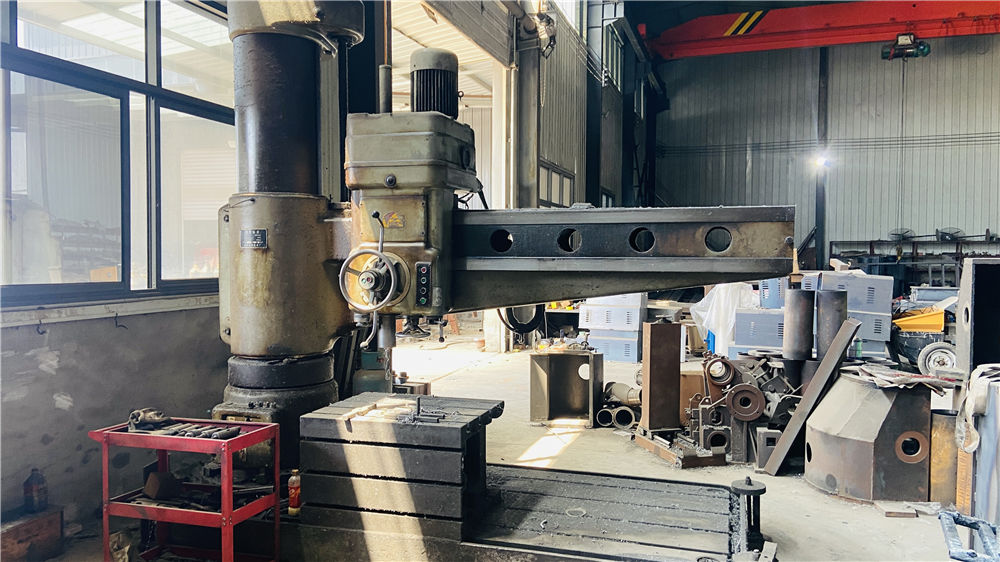
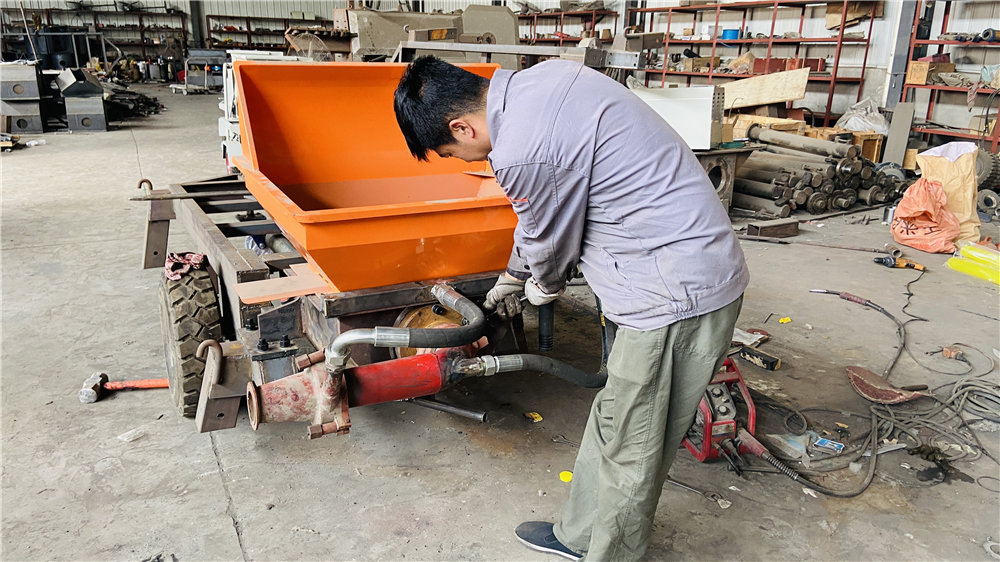
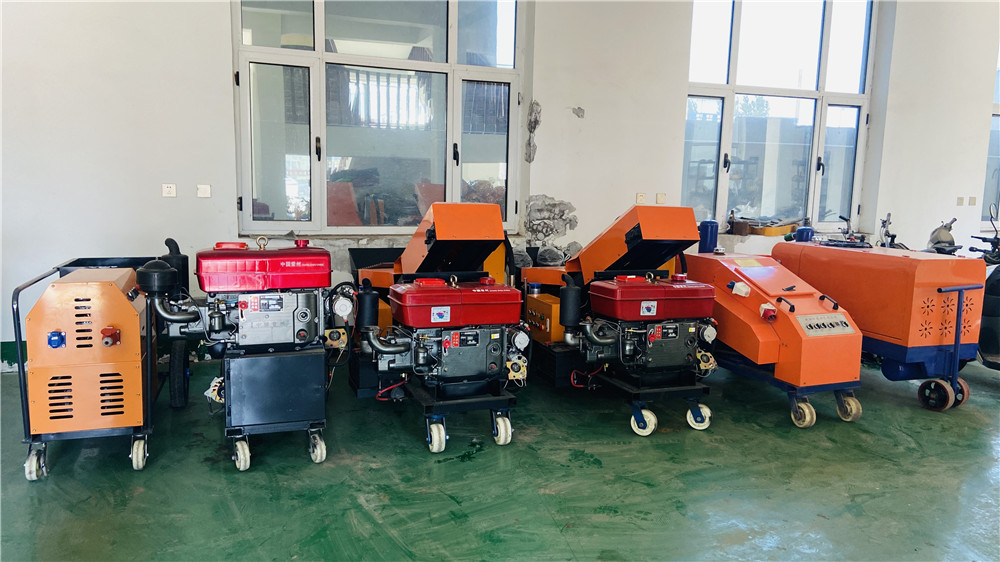
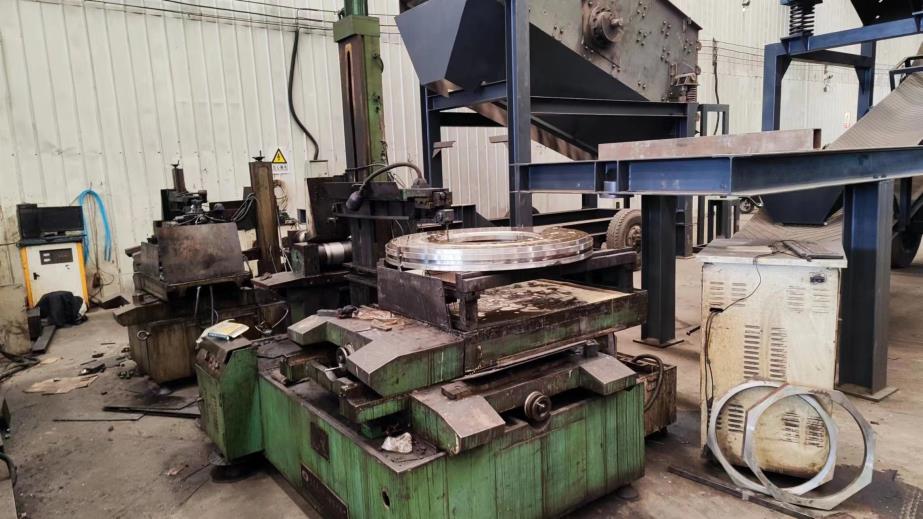
To maintain structural tolerances measured in microns, Henan SSG Machinery invests in advanced tooling machinery. Our fleet of factory tools ensures that every gear, cylinder, and valve sleeve is perfectly honed.
Deploying heavy machinery within NYC limits requires absolute compliance with the New York City Department of Buildings (DOB), the Environmental Protection Agency (EPA), and Occupational Safety and Health Administration (OSHA) regulations. For underground work, such as the rehabilitation of the subway tunnels by the MTA or deep basement works under historic high-rises, diesel engines must meet EPA Tier 4 Final emission requirements or be replaced by high-performance zero-emission electric motors. SSG Machinery provides highly efficient electric compaction pumps that operate with zero gaseous emissions, keeping underground air quality clean and reducing the load on vital shaft ventilation systems.
Furthermore, noise control is a primary operational concern in densely populated boroughs like Manhattan and Brooklyn. NYC local ordinances dictate maximum decibel levels during construction hours. Electric piston pumps operate at significantly lower acoustic profiles compared to traditional diesel-fueled counterparts. Additionally, our pumps can be housed in custom sound-dampening enclosures. On-site safety requires pressure-limiting relief valves, pressure gauges positioned clearly for the operator, and automatic emergency shut-off switches to prevent over-pressurization of lines, which could cause a dynamic blow-out of grout lines and endanger crew members.
As the construction industry transitions into the digital era, subsurface engineering is seeing a major shift toward automation and real-time data monitoring. Modern smart grouting networks demand that piston pumps interface seamlessly with automated data acquisition systems (DAQ). Real-time telemetry monitoring records and logs critical parameters: grout flow rate, total volume injected, and pressure curves at millisecond intervals. These data points are instantly uploaded to cloud databases, allowing geotechnical engineers to analyze the propagation of the grout slurry through underground strata and confirm that complete compaction is achieved without fracturing the ground.
SSG Machinery is at the forefront of this digital transition. Our future technical roadmap integrates advanced variable frequency drives (VFD) and intelligent programmable logic controllers (PLCs). This allows the pump's hydraulic output to adjust dynamically to subgrade feedback. For example, if a sand lens is encountered, the pump automatically decreases flow velocity while increasing hydraulic thrust to maintain a steady pressure threshold. Through artificial intelligence integration, the pump learns the geology of the project site, predicts component wear before a seal failure occurs, and optimizes fuel/power consumption, setting new efficiency standards for globally sustainable infrastructure development.
Explore our complete range of high-pressure, manual, pneumatic, and diesel-hydraulic piston grouting pumps designed for global and municipal contracting.
Expert technical advice on selecting, operating, and maintaining industrial piston grouting equipment for major civil projects.
Consult with our geotechnical and heavy-machinery sales engineers today to customize a piston grouting pump configuration tailored for your New York or global heavy civil construction project.
 SSG Machinery